
Toronto
Toronto does not reveal itself through postcard monuments.
Guests & rooms
The Toronto guide
An insider’s read on Toronto
TToronto does not reveal itself through postcard monuments.
Once known as 'Toronto the Good'—a conservative, Victorian outpost dominated by orange-order sobriety—the city underwent a radical transformation in the latter half of the twentieth century. Post-war immigration from Europe, the Caribbean, and East Asia, combined with a massive shift of financial power from Montreal in the 1970s, turned a provincial capital into a global economic powerhouse. Today, the local character is marked by a distinct civic pride, a passion for neighborhood preservation, and an understated, work-hard-play-hard mentality.

PLATE IToronto, Canada

Guides & ideas
The Toronto reading list
Hand-written guides from our editors — itineraries, the best of after dark, where to eat, and what’s genuinely worth your time.

The Scarborough Bluffs: Toronto's White Cliffs and the Beach the City Keeps to Itself
A walking guide to the 15km of pale cliffs east of downtown Toronto — the lookouts, the beach beneath them, the trails, the marina, and where to eat with the lake in view.
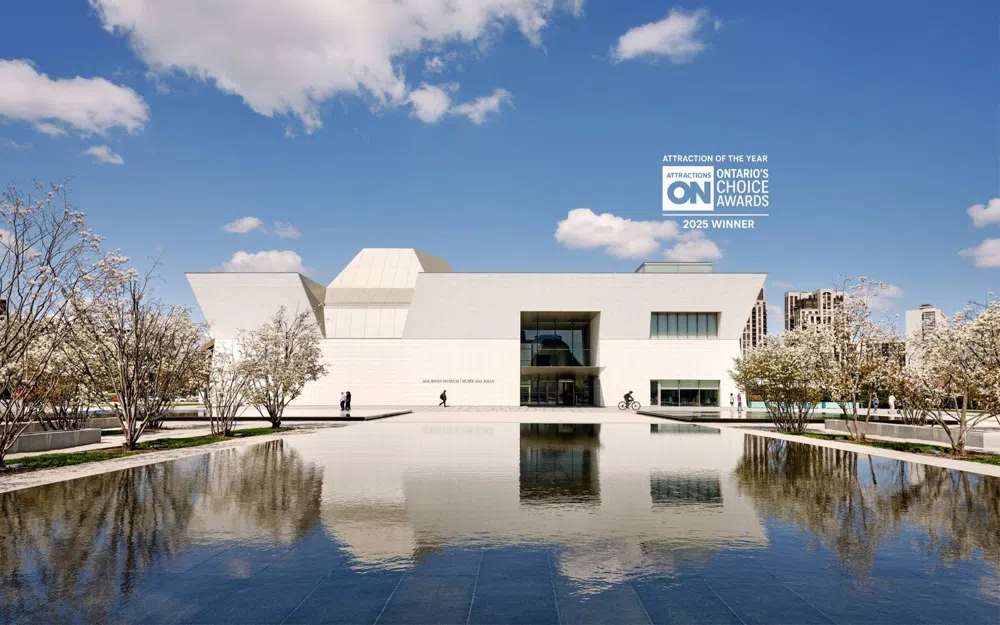
The Aga Khan Museum: Toronto's Quietest Masterpiece and the Islamic Art That Found a Home Here
Inside Toronto's Aga Khan Museum — the 1,000-year Islamic art collection, Fumihiko Maki's light-tuned building, the park and Ismaili Centre next door, and exactly how to plan the visit in 2026.
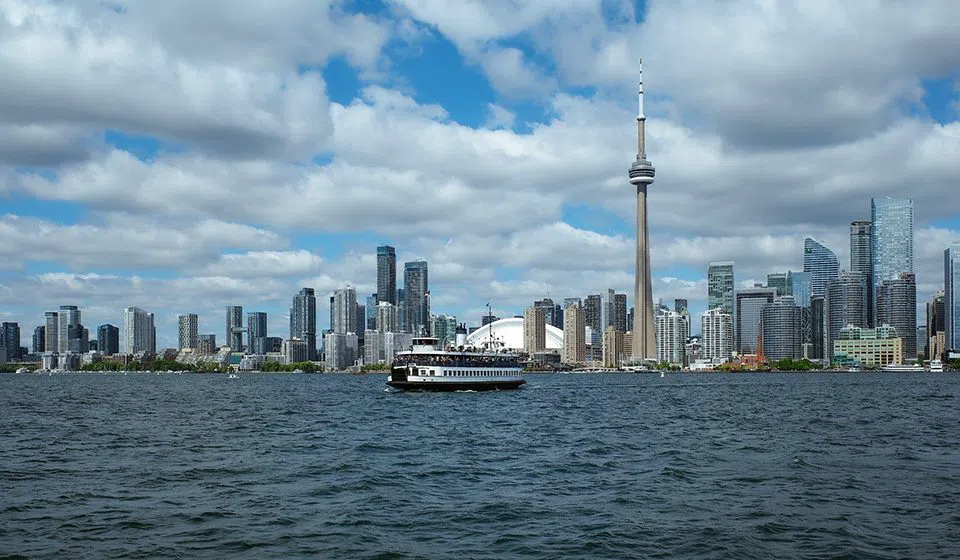
Island Time: Toronto's Ferry Ride to Another Country
A calm, walk-it-in-order guide to the Toronto Islands — the fifteen-minute crossing, the car-free lanes, the beaches, and the skyline you came for.
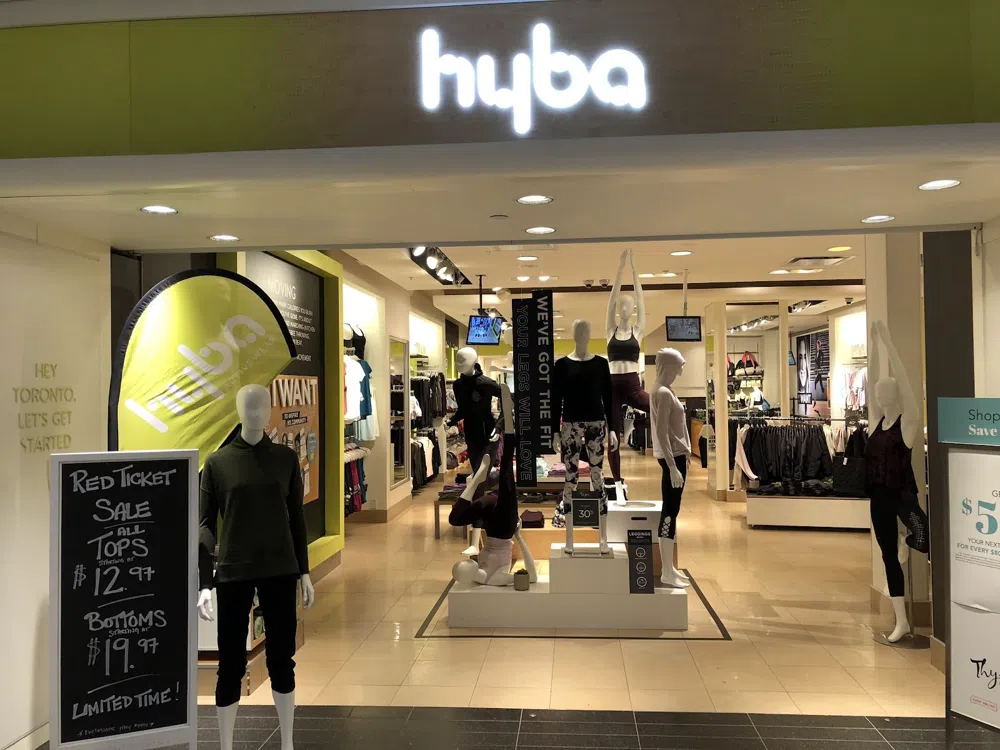
No Car Required: The Hidden City Under Toronto's Streets
A calm, end-to-end walk through Toronto's PATH — 29 kilometres of underground walkway linking malls, food halls, a hockey shrine, an arena and Union Station, no coat and no car required.
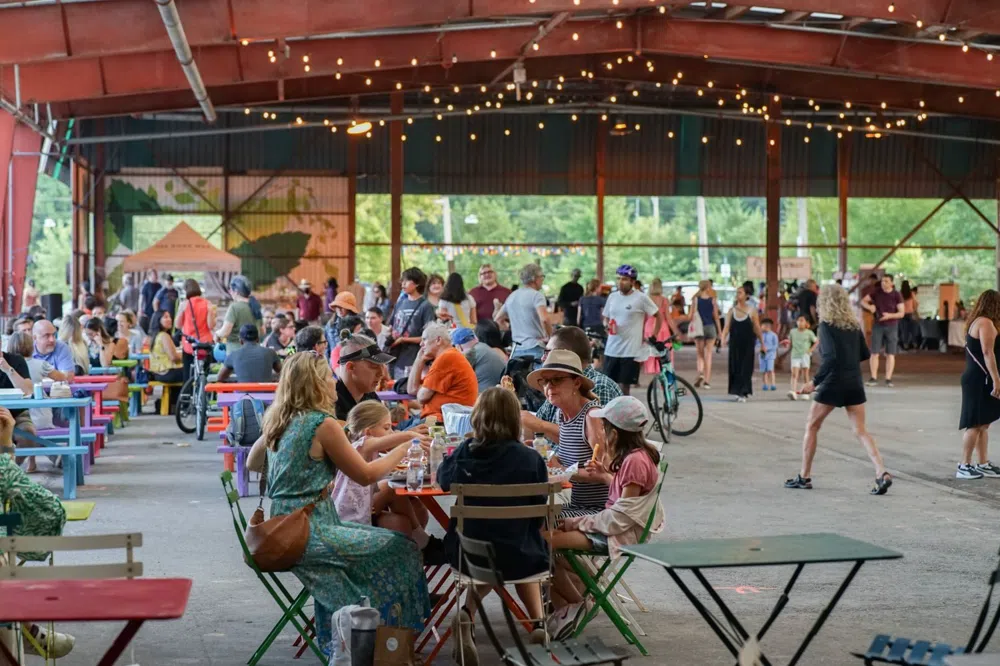
Into the Ravines: Toronto's Wild Country Below Street Level
A calm, walkable guide to the wooded river valleys that run beneath Toronto's street grid — where to start, how to link them by transit, and which suit a crowd versus a quiet pair.
Where to base yourself
The neighborhoods
01
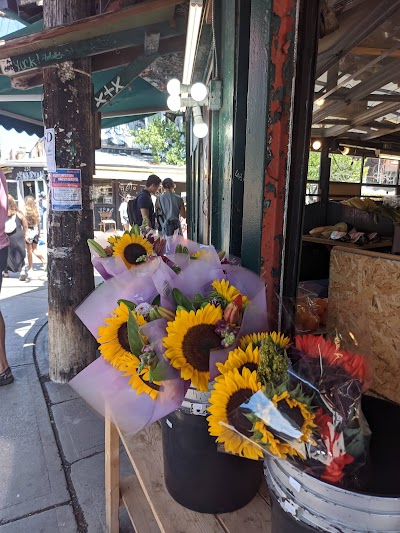
Kensington Market
For Creatives, vintage hunters, and adventurous eaters. The trade-off is that the area is gritty, crowded, and can feel chaotic on weekends.
A bohemian, sensory-heavy enclave of narrow streets lined with Victorian homes converted into vintage clothing shops, cheese boutiques, and global food stalls.
Where to stay — Mainly independent apartment rentals; there are no major hotels within the market itself.
02

West Queen West
For Style-conscious travelers and gallery hoppers. The trade-off is high commercial rents have driven out some independent shops, replacing them with corporate brands.
The epicenter of the city's indie fashion, art gallery, and nightlife scenes, anchored by historic brick buildings and a massive public park.
Where to stay — Boutique art hotels like The Drake or Gladstone House.
03
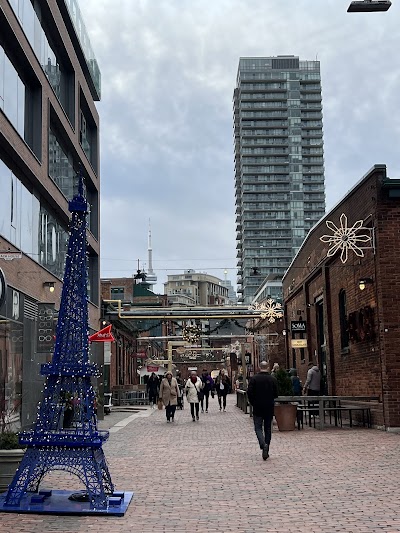
The Distillery District
For History buffs and architecture admirers. The trade-off is that it can feel overly curated and highly touristy, especially during the winter market.
A pedestrian-only village containing the largest collection of Victorian-era industrial architecture in North America, beautifully restored into shops and restaurants.
Where to stay — Stay nearby in the St. Lawrence or Old Town neighborhoods.
04
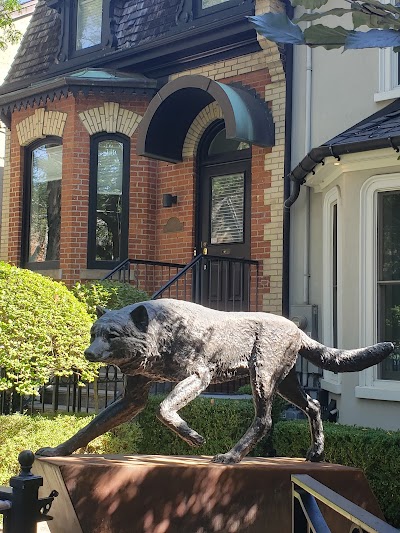
Yorkville
For Luxury shoppers and celebrity spotters. The trade-off is that it lacks the grit, warmth, and artistic energy found further west.
A polished, high-end district of designer boutiques, luxury hotels, and fine dining establishments housed in Victorian row houses and modern towers.
Where to stay — Ultra-luxury options like the Four Seasons or Park Hyatt.
05
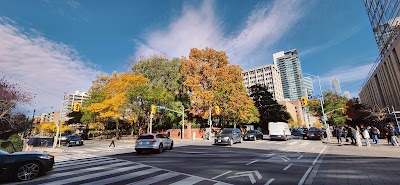
The Annex
For Academics, book lovers, and budget-conscious travelers. The trade-off is that some streets can be noisy with student housing.
A leafy, historic neighborhood dominated by massive Edwardian homes, independent bookstores, and a large student population from the adjacent university.
Where to stay — Charming bed-and-breakfasts or neighborhood boutique hotels.
06
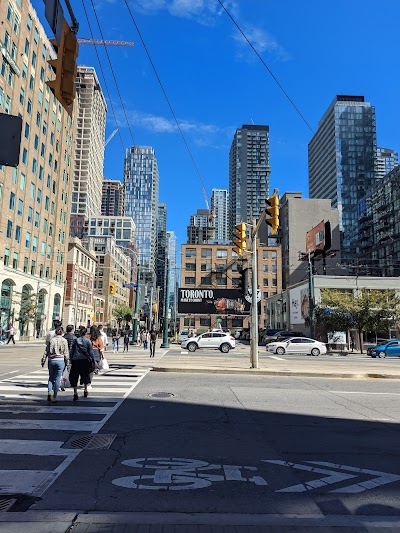
Chinatown
For Bargain hunters and lovers of authentic East Asian cuisine. The trade-off is crowded sidewalks and a generally unpolished streetscape.
A dense, energetic strip along Spadina Avenue packed with open-air produce markets, herbalists, and multi-generational noodle shops.
Where to stay — Stay in neighboring Queen West or Baldwin Village.
07
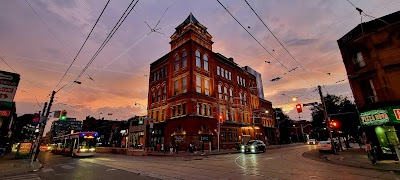
Leslieville
For Slow-paced travelers, families, and design enthusiasts. The trade-off is that it is far from the subway line and quiet after dark.
A former light-industrial hub turned relaxed, family-friendly neighborhood known for its brunch spots, vintage furniture stores, and coffee shops.
Where to stay — The Broadview Hotel at the neighborhood's western edge.
08
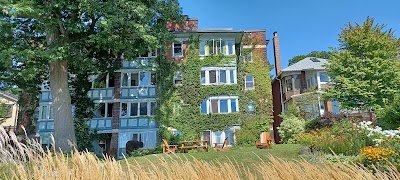
The Beaches
For Families and nature lovers looking to escape the concrete. The trade-off is a lengthy streetcar commute to the downtown core.
A lakeside neighborhood with a distinct small-town, resort-like feel, featuring a wooden boardwalk, sandy beaches, and quiet residential streets.
Where to stay — Local residential rentals and guesthouses.
09
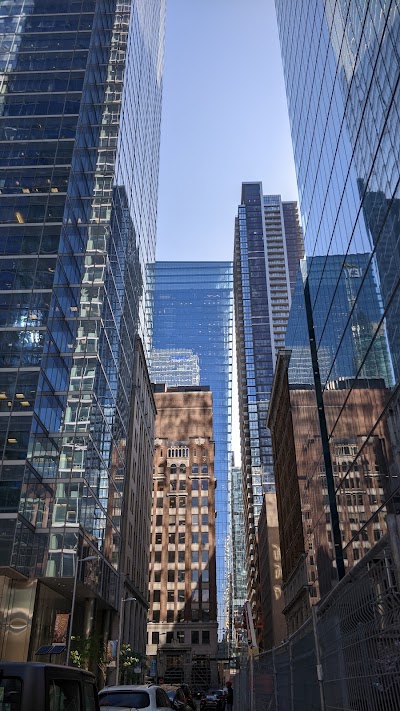
Financial District
For Business travelers and architecture enthusiasts. The trade-off is that the area lacks neighborhood soul and most independent businesses close on weekends.
A canyon of granite and glass skyscrapers, bustling with corporate workers during the week and quiet on the weekends.
Where to stay — Grand, historic business hotels like the Fairmont Royal York.
Book direct
Book a hotel in Toronto
Loading live availability and real-time prices…
Where to eat
Dining
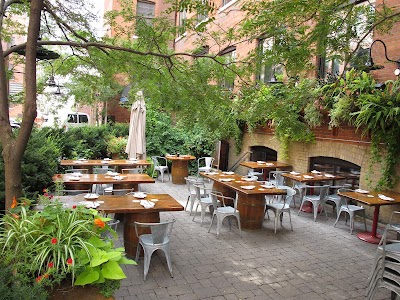
Rodney's Oyster House
€€€King West
A basement institution known for its maritime humor, copper-topped bar, and expertly shucked oysters sourced directly from East Coast growers.
Signature — Freshly shucked oysters with house-made 'White Boy' hot sauce.
Osteria Giulia
€€€€Yorkville
A sophisticated, candle-lit space focusing on the seafood-heavy culinary traditions of Liguria, executed with extreme precision.
Signature — Wild squid cooked with salsa verde and pine nuts.
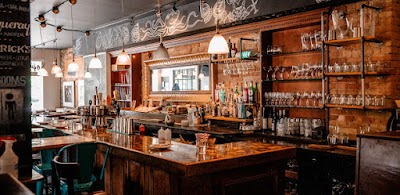
Pearl Diver
€€Downtown East
A relaxed, unpretentious tavern dedicated to sustainable seafood sourcing and excellent oyster happy hour deals.
Signature — The seafood chowder and pan-roasted cod.
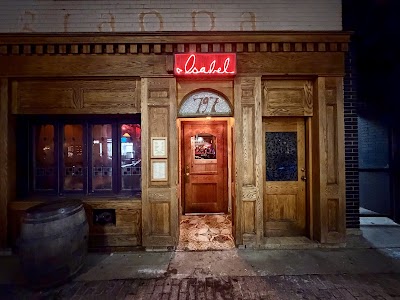
Bar Isabel
€€€Little Italy
Though a Spanish tavern, its wood-fired seafood preparations are legendary, served in a dim, atmospheric room.
Signature — Whole grilled octopus with potatoes.
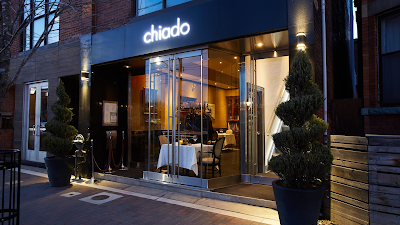
Chiado
€€€€Dufferin Grove
A formal, old-school fine-dining establishment serving classic Portuguese seafood flown in directly from the Azores.
Signature — Salt cod prepared in traditional styles or wild sea bass.
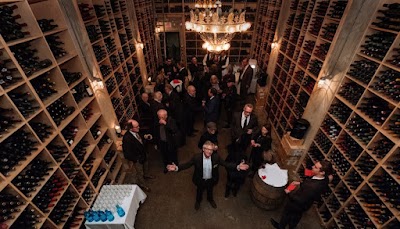
Barberian's Steak House
€€€€Downtown
An iconic, wood-paneled steakhouse operating since 1959, featuring a legendary multi-million dollar wine cellar buried underground.
Signature — The classic Chateaubriand for two.
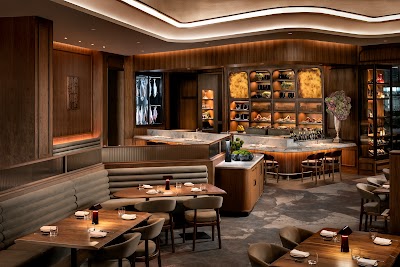
Jacobs & Co. Steakhouse
€€€€King West
The ultimate modern steakhouse experience, featuring an in-house dry-aging room and a menu that details the provenance and feed of every cut.
Signature — The 40-day dry-aged ribeye.
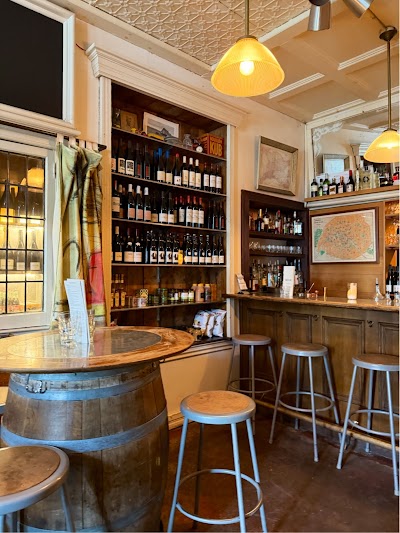
Cote de Boeuf
€€€Ossington
A tiny, charming butcher shop by day that transforms into an intimate French bistro by night, cooking exceptional cuts over open heat.
Signature — The ribeye for two, carved to order.
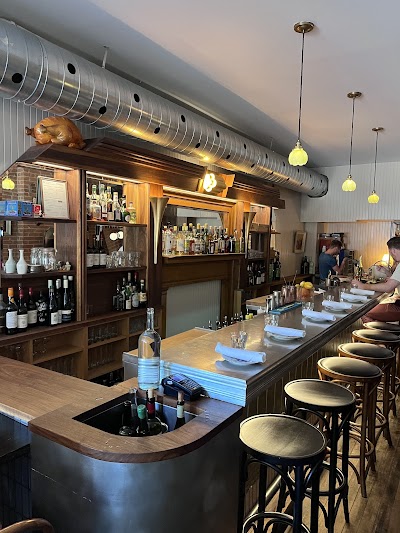
Bernhardt's
€€Trinity Bellwoods
A neighborhood favorite focusing on rotisserie chicken and seasonal grilled vegetables sourced from local Ontario farms.
Signature — The half-rotisserie chicken with house gravy.
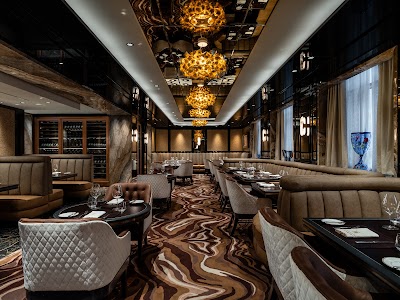
Harbour 60
€€€€Waterfront
Set inside the historic Harbour Commission building, this opulent venue offers high-energy, club-like luxury dining with premium cuts.
Signature — The porterhouse steak.
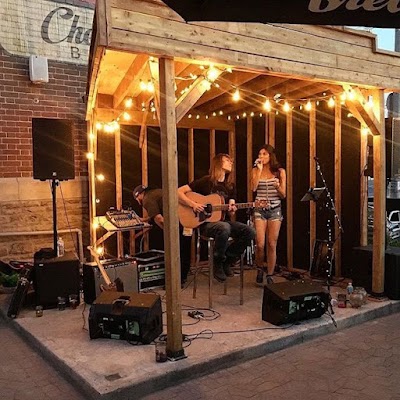
Cherry St. Bar-B-Que
€€Port Lands
An industrial-chic smokehouse serving authentic, pit-smoked meats cooked over sweet oak wood.
Signature — The Texas-style beef brisket.
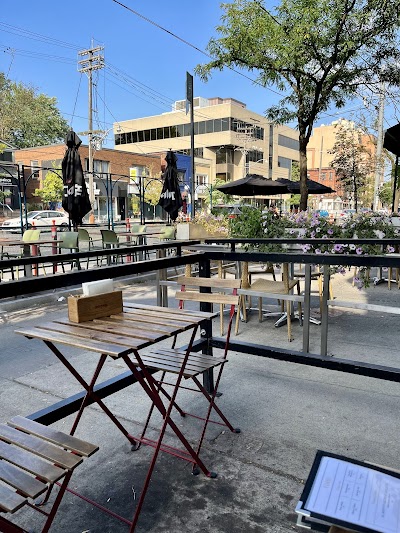
Bar Raval
€€Little Italy
A masterpiece of custom-carved mahogany woodwork where patrons stand at the bar to enjoy exceptional Spanish pintxos and cocktails.
Signature — Canned razor clams and smoked sardine toast.
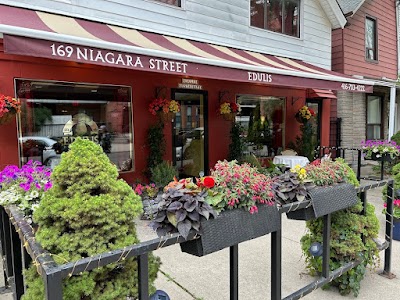
Edulis
€€€€King West
A tiny, husband-and-wife-run dining room dedicated to wild, foraged ingredients, mushrooms, and seafood, served via a seasonal tasting menu.
Signature — The multi-course seasonal tasting menu.
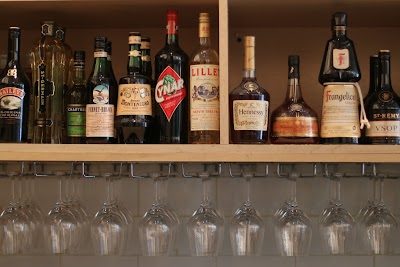
Richmond Station
€€€Financial District
Co-owned by a Top Chef Canada winner, this bustling spot focuses on farm-to-table Canadian ingredients with an in-house charcuterie program.
Signature — The St. Lawrence burger or the chef's tasting menu.
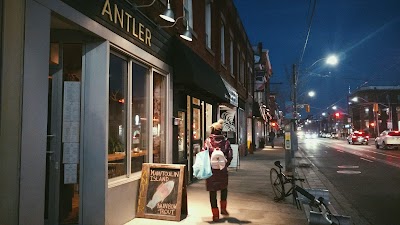
Antler Kitchen & Bar
€€€Little Portugal
A rustic dining room dedicated to celebrating wild game, forest-foraged ingredients, and local Canadian heritage foods.
Signature — The spice-rubbed venison chop.
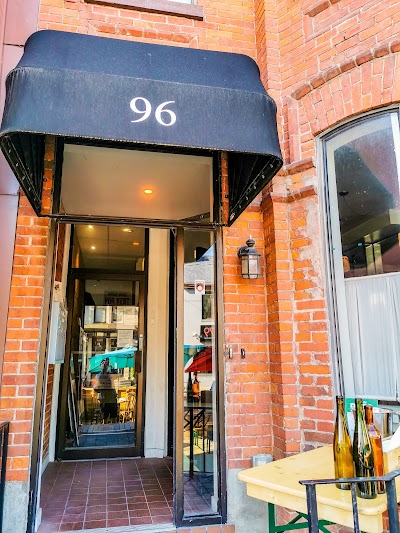
Dreyfus
€€€Harbord Village
A cozy, residential townhouse converted into a French-bistro-style wine bar serving creative small plates and natural wines.
Signature — Pommes dauphine with seasonal dipping sauce.
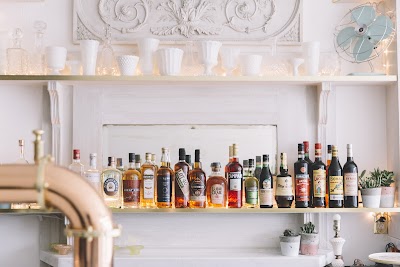
Grey Gardens
€€€Kensington Market
A stylish, pastel-hued wine bar serving inventive, seafood-forward small plates in a relaxed neighborhood setting.
Signature — Smoked fish dip with house-made potato chips.
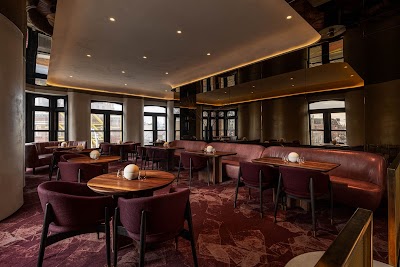
Alo
€€€€Chinatown
An exceptional French tasting-menu restaurant hidden atop a Victorian building, known for its flawless service and culinary precision.
Signature — The multi-course blind tasting menu.
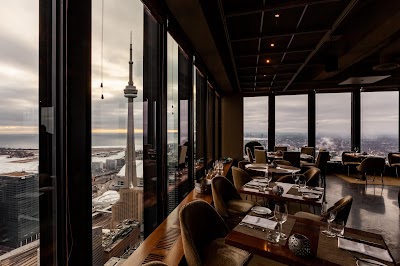
Canoe
€€€€Financial District
Perched on the 54th floor of the TD Bank Tower, it offers breathtaking views of the lake alongside highly refined, contemporary Canadian cuisine.
Signature — The Alberta lamb or tea-smoked venison.
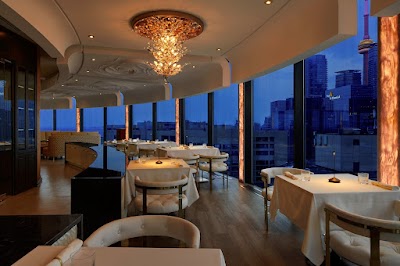
Don Alfonso 1890
€€€€Waterfront
Located atop the Westin Harbour Castle, this restaurant serves Michelin-caliber Mediterranean dishes with panoramic views of the harbor.
Signature — Organic bison in a rustic pastry crust.
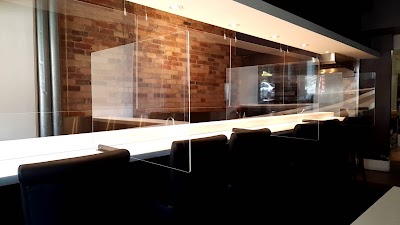
Yasu
€€€€Harbord Village
The city's pioneer of the traditional Japanese omakase experience, serving pristine sushi at a minimalist white counter.
Signature — The 20-course sushi omakase.
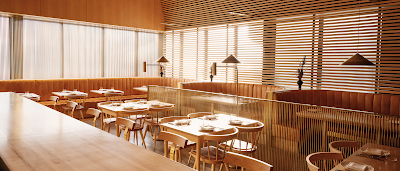
Prime Seafood Palace
€€€€Queen West
Designed like a modern wood-lined cathedral, this restaurant offers an incredibly luxurious take on the classic steakhouse and seafood joint.
Signature — The dry-aged prime rib.
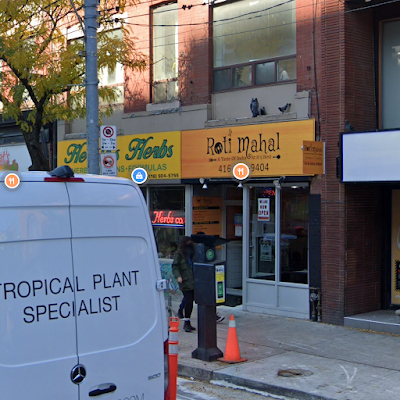
Roti Mahal Indian Street Food
€Queen West
A local favorite for massive, heavy West Indian rotis packed with deeply spiced curries.
Signature — The boneless butter chicken roti.
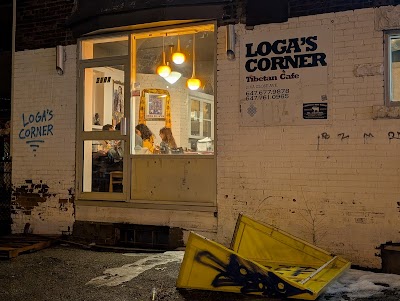
Loga's Corner
€Parkdale
A legendary, no-nonsense Tibetan spot serving handmade momos to a loyal neighborhood crowd.
Signature — Steamed beef momos with house-made hot sauce.
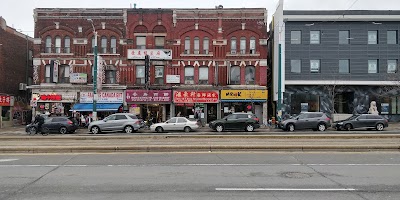
Banh Mi Nguyen Huong
€Chinatown
An old-school, lightning-fast counter serving incredibly cheap, authentic Vietnamese banh mi on fresh baguettes.
Signature — The assorted cold cut banh mi.
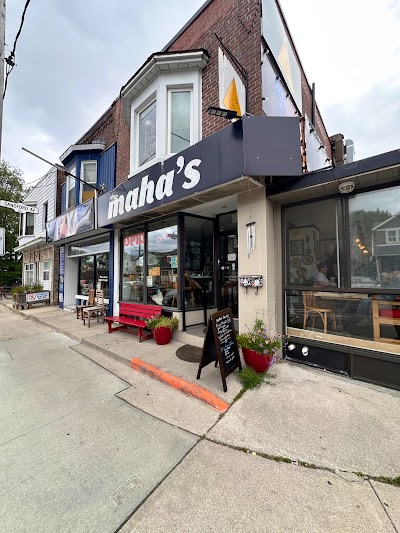
Maha's Fine Egyptian Co.
€Greenwood
A family-run cafe serving spectacular, colorful Egyptian brunch dishes that draw massive weekend lines.
Signature — The mind-blowing chicken shawarma.
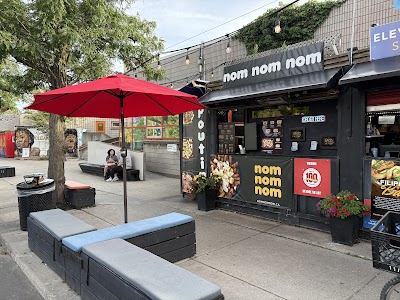
Nom Nom Nom Crepes
€Chinatown
Operating out of a shipping container, this spot serves arguably the most authentic, squeaky-curd poutine in the city center.
Signature — The Super Poutine with double curds.
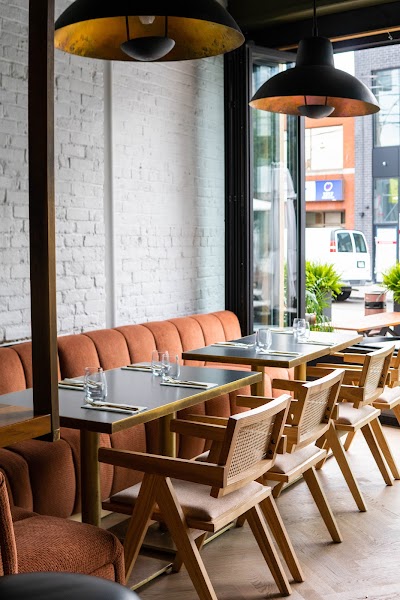
Gia
€€€Trinity Bellwoods
A cozy, plant-forward Italian restaurant focusing on handmade pastas and organic ingredients.
Signature — The vegan cacio e pepe with house-made cashew butter.
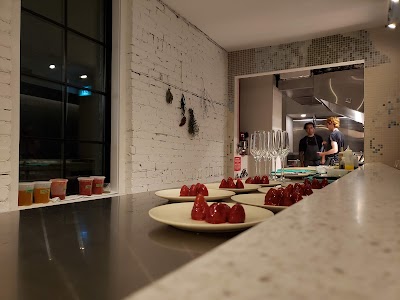
Ten
€€€€Brockton Village
A unique, 10-seat counter-only restaurant offering an elegant, multi-course vegetable-forward tasting menu.
Signature — The seasonal vegetable tasting menu.
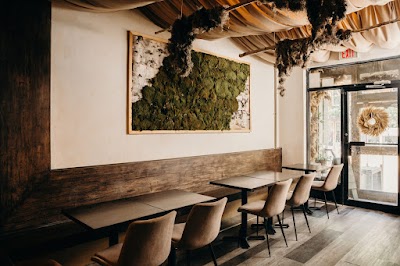
Hawker
€€Kensington Market
An intimate, artistic restaurant serving highly creative, nature-inspired plant-based small plates.
Signature — The 'God's Work' smoked mushroom dish.
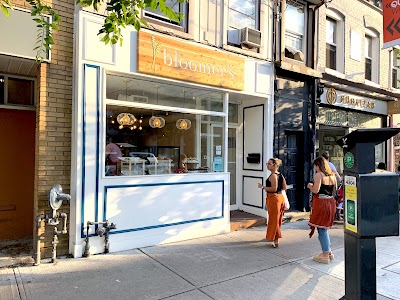
Bloomer's
€Bloorcourt
A beloved local bakery famous for its massive, fluffy, handcrafted vegan donuts made fresh daily.
Signature — The classic Boston cream vegan donut.
After dark
Nightlife
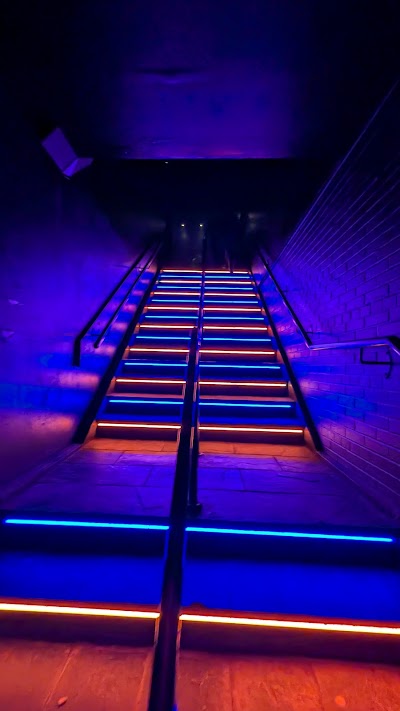
Coda
Annex
The city's premier underground electronic music venue, boasting a custom PK Sound system and a dedicated dance crowd.
Rebel
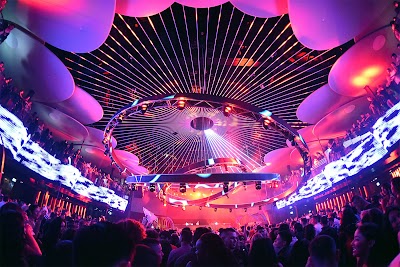
Port Lands
A massive, multi-room waterfront mega-club featuring Las Vegas-style production, LED screens, and international DJs.
The Drake Underground
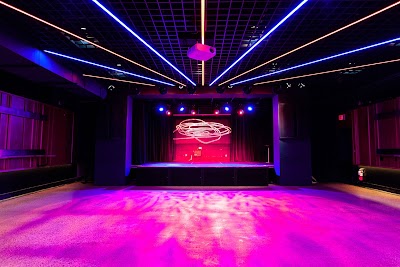
West Queen West
A basement venue beneath the hotel that hosts a rotating mix of indie dance parties, hip-hop nights, and live acts.
Lula Lounge
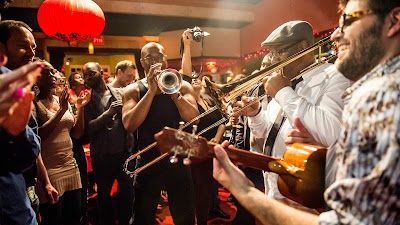
Dundas West
The city's home for live salsa, Latin jazz, and global music, complete with dance lessons before the main show.
Nest
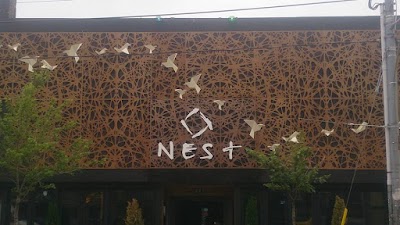
Little Italy
A solid multi-level venue hosting local and international house and techno DJs in a straightforward club setting.
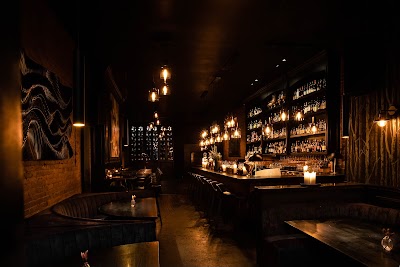
Bar Chef
Queen West
A global pioneer in molecular mixology where drinks are treated as multi-sensory art pieces utilizing dry ice, perfumes, and blowtorches.
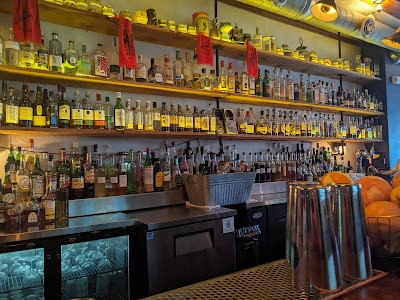
Civil Liberties
Bloorcourt
A bar with no menu; instead, highly skilled bartenders interview you about your tastes to create a custom cocktail.
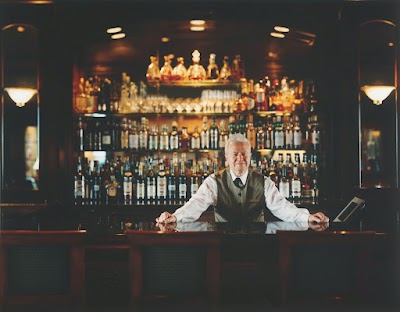
The Writers Room Bar
Park Hyatt, Yorkville
A historic, sophisticated rooftop bar offering some of the most iconic views of the downtown skyline.
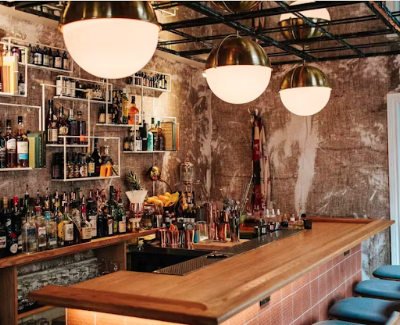
Gift Shop
Ossington
An intimate, highly exclusive speakeasy hidden behind a functioning barber shop on a trendy strip.
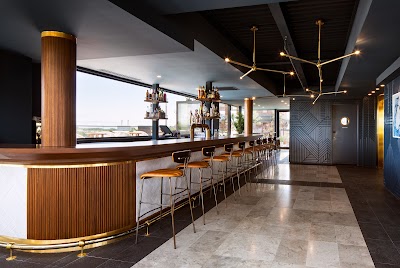
Broadview Hotel Rooftop
Riverside
An east-end rooftop bar offering panoramic views of the Don Valley and the downtown skyline.
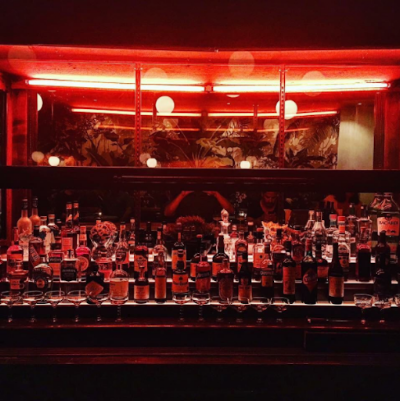
Mahjong Bar
Dundas West
Hidden behind a small, retro convenience store storefront, this bar opens up into a stylish, neon-lit drinking den.
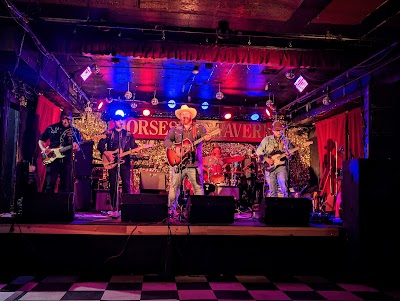
The Horseshoe Tavern
Queen West
Operating since 1947, this legendary, unpolished venue has hosted everyone from the Rolling Stones to local indie legends.
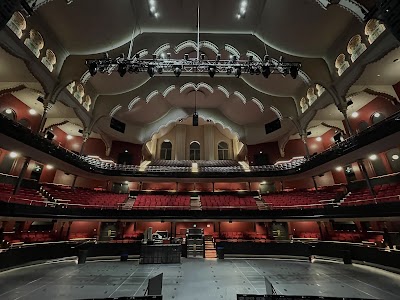
Massey Hall
Downtown
A beautifully restored, historic 1894 concert hall renowned globally for its near-perfect acoustics.
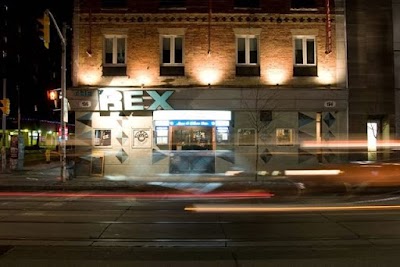
The Rex Hotel Jazz & Blues Bar
Queen West
A long-running, no-frills institution offering live jazz and blues every single night of the week.
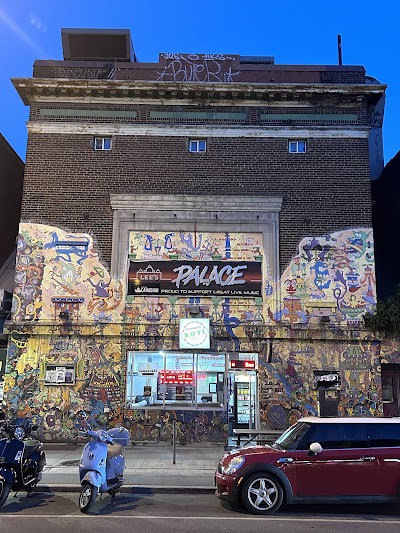
Lee's Palace
Annex
Famous for its massive, colorful outdoor mural, this venue is a rite of passage for alternative and indie rock bands.
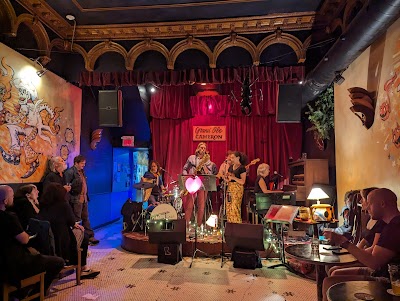
The Cameron House
Queen West
An art-filled, quirky front room that has served as a creative incubator for the local folk and roots scene for decades.
Art & history
Culture
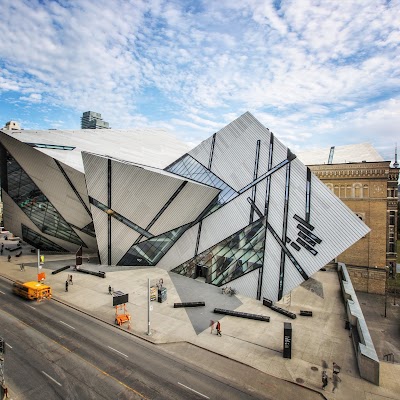
Royal Ontario Museum (ROM)
Yorkville
Canada's largest museum of world cultures and natural history, famous for its dramatic, crystalline Daniel Libeskind-designed entrance.
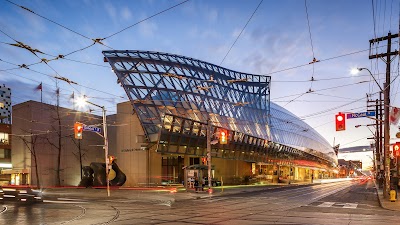
Art Gallery of Ontario (AGO)
Chinatown
Houses an incredible collection of Canadian, Indigenous, and European art, featuring a striking wood-and-glass facade designed by Frank Gehry.
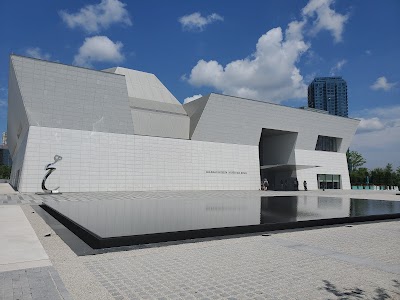
Aga Khan Museum
North York
A stunning, light-filled modern building designed by Fumihiko Maki, dedicated to the artistic, intellectual, and scientific heritage of Islamic civilizations.
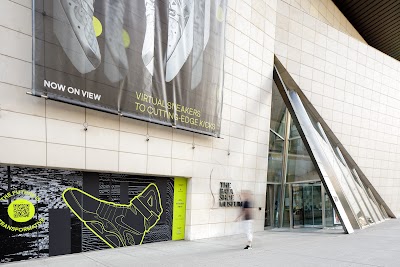
Bata Shoe Museum
Annex
A unique, architecturally striking museum dedicated entirely to the history and cultural significance of footwear across the globe.
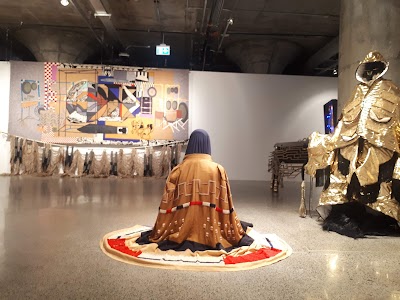
Museum of Contemporary Art (MOCA)
Junction Triangle
Housed in a historic former aluminum factory, this museum showcases cutting-edge, provocative contemporary art from local and international artists.
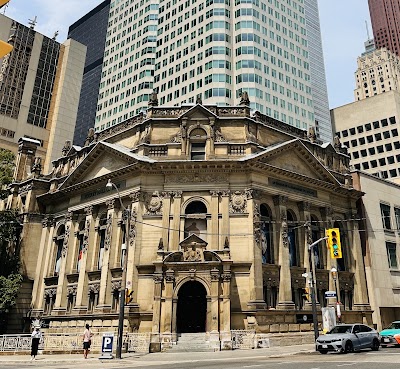
Hockey Hall of Fame
Financial District
The ultimate tribute to Canada's national winter sport, housing the Stanley Cup and interactive goaltending games.
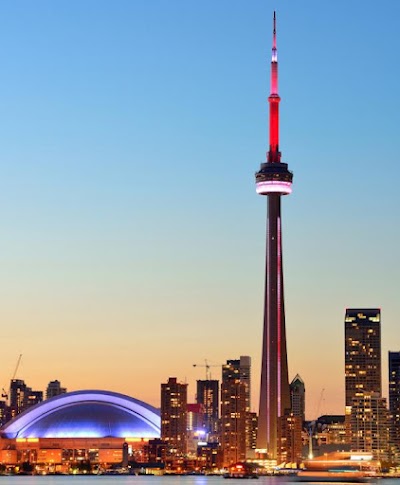
CN Tower
Entertainment District
The city's defining architectural landmark, offering panoramic views of the city and Lake Ontario from its high-altitude observation decks.
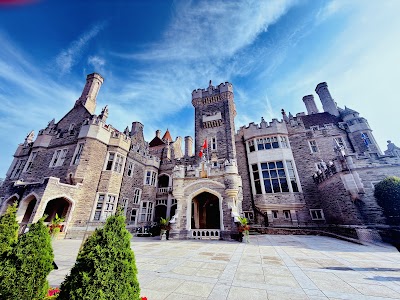
Casa Loma
Midtown
A massive, Edwardian-era Gothic Revival castle built by an eccentric financier, featuring secret passages and beautiful gardens.
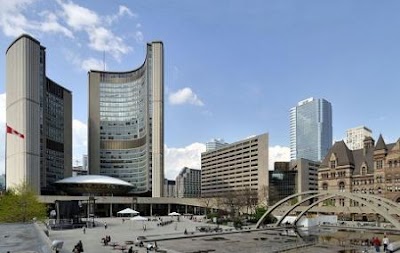
City Hall & Nathan Phillips Square
Downtown
A modernist masterpiece designed by Viljo Revell, featuring twin curved towers surrounding a public square that hosts a popular winter ice rink.
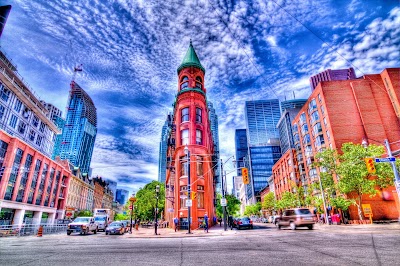
Gooderham Building (Flatiron)
Old Town
A striking, red-brick flatiron building dating back to 1892, set against the backdrop of modern financial skyscrapers.
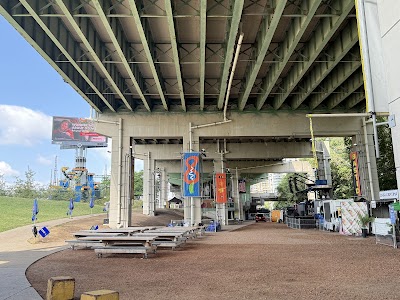
The Bentway
Fort York
An innovative public space that transforms the vacant land directly beneath the Gardiner Expressway into a park and performance space.
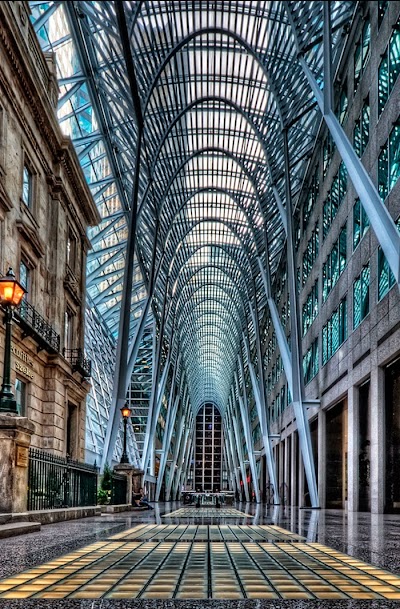
Brookfield Place
Financial District
Features the Allen Lambert Galleria, a soaring, cathedral-like canopy of steel and glass designed by Santiago Calatrava.
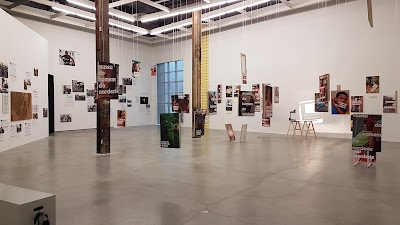
The Power Plant Contemporary Art Gallery
Waterfront
Canada's leading public gallery dedicated exclusively to contemporary art, housed in a historic powerhouse on the lake.
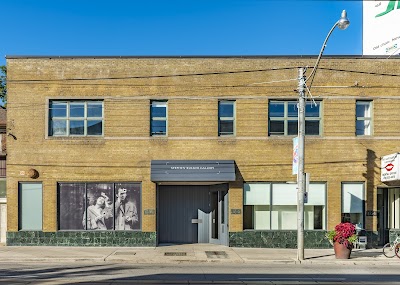
Stephen Bulger Gallery
Dundas West
A premier gallery focusing on historical and contemporary photography, with a strong emphasis on Canadian artists.
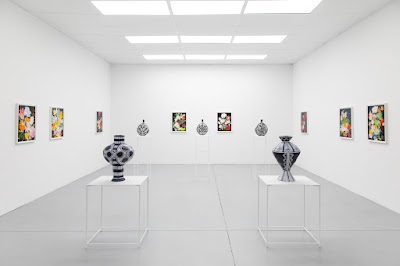
Cooper Cole
Dovercourt Park
A highly influential gallery representing emerging and mid-career contemporary artists working in diverse media.
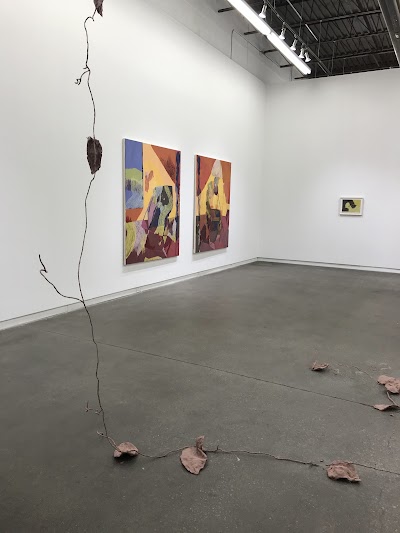
Daniel Faria Gallery
Junction Triangle
A high-concept contemporary art gallery set inside a cavernous, renovated industrial warehouse.
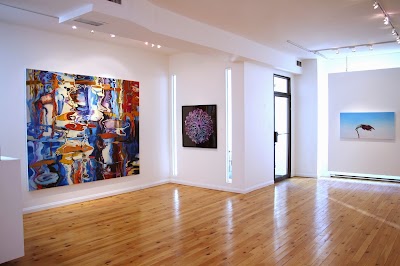
Bau-Xi Gallery
Dundas West
Located directly across from the AGO, this established gallery showcases fine Canadian landscape and abstract painting.
Book ahead
Top-rated experiences in Toronto

Private Transfer Toronto Pearson Airport To Toronto Hotels/Airbnb
from $47

Guided Bicycle Tour - Toronto Waterfront, Island and Distillery
from $85

Private Toronto Airport Transfer Service to City centre Toronto
from $159

St. Clair West and Casa Loma Food and Walking Experience
from $110

Cabbagetown In Colour: A Walking Tour of Toronto
from $28

Niagara Falls in Spanish
from $960

Exploring The Heart of Downtown Toronto
from $15

Customizable Walking Tour of Toronto's Hidden Gems
from $37
Prices from Viator; we may earn a commission when you book — at no extra cost to you. Tours are sold and operated by Viator, the merchant of record. Ratings are collected by Viator and Tripadvisor.
Timing
When to visit
Spring
April to May brings crisp air and the sudden, energetic opening of outdoor patios. High Park's cherry blossoms draw crowds, though temperatures can remain highly unpredictable.
Summer
June to August is humid, lively, and packed with street festivals. The city empties out on weekends as locals head north, leaving the downtown core to visitors.
Autumn
September to November features clear, cool days and spectacular fall foliage. September is dominated by the international film festival, which temporarily takes over the downtown core.
Winter
December to March is freezing and slushy. While outdoor activity slows to skating on public rinks, the city's indoor cultural life, dining scene, and underground PATH network operate at full capacity.
What it costs
Budgeting
Logistics
Getting around
From the airport
The UP Express train runs directly from Pearson International Airport (YYZ) to Union Station in the heart of downtown in exactly 25 minutes. It is clean, reliable, and costs a moderate fee (€€). Billy Bishop Airport (YTZ), located on the island, is connected to the mainland by a short pedestrian tunnel or a brief ferry ride.
Public transit
The Toronto Transit Commission (TTC) operates a straightforward grid of subways, historic streetcars, and buses. Streetcars run down major east-west arteries like Queen, King, and College streets, though they frequently get caught in standard vehicular traffic.
Passes & tickets
The PRESTO card is the universal fare payment system. You can purchase a physical card or load funds onto your smartphone. Single rides are flat-rate, and a day pass is available for unlimited travel (€).
On foot
The downtown core is highly walkable, laid out on a flat, easy-to-navigate grid. During extreme winter weather, the PATH—a 30-kilometer underground pedestrian walkway—connects major office towers, transit hubs, and shopping centers, though it can be highly disorienting to navigate.
Travel smart
Safety & etiquette
Local etiquette
- •Always stand on the right side of escalators and walk on the left.
- •Tipping is not optional; 15% is the baseline for acceptable service, while 18% to 20% is standard.
- •When boarding streetcars, always yield to passengers exiting the vehicle before trying to step on.
From the ground
Practical tips
1
Download the PRESTO app to manage your transit fares, or simply tap your credit card directly on the readers.
2
Avoid driving downtown at all costs; constant construction and a gridlocked layout make it highly frustrating.
3
Book popular dining spots like Alo, Edulis, or Prime Seafood Palace weeks or even months in advance.
4
Visit Kensington Market on the last Sunday of the month (May to October) when the streets are closed to cars.
5
Take a private water taxi to the Toronto Islands on hot summer weekends to bypass the hours-long public ferry lines.
6
Keep a close eye out for streetcar tracks if you are cycling; always cross them at a sharp angle to avoid crashing.
Toronto FAQs
Is the CN Tower worth the ticket price?
Yes, but only on a completely clear day. Book the earliest morning slot to avoid massive tourist crowds and long elevator queues.
How do I get to the Toronto Islands?
Take the public ferry from the Jack Layton Ferry Terminal, or pay slightly more for a private water taxi to avoid the massive summer ferry lines.
Do I need to rent a car?
No. The downtown core is highly walkable, traffic is notoriously bad, and parking rates are extortionate. Stick to the subway and streetcars.
What is the PATH?
It is a massive, 30-kilometer underground pedestrian network connecting office towers. It is highly useful in winter but incredibly confusing to navigate.
Are taxes included in listed prices?
No. A 13% Harmonized Sales Tax (HST) is added to almost all purchases at the cash register, including restaurant bills and hotel stays.