Toronto neighbourhood guide
Chinatown, Toronto: Spadina’s loudest, cheapest, most delicious block
A street-level walk through Toronto’s Chinatown West, where roast ducks swing in the windows, dim sum runs late, and Kensington Market is only a few steps away.
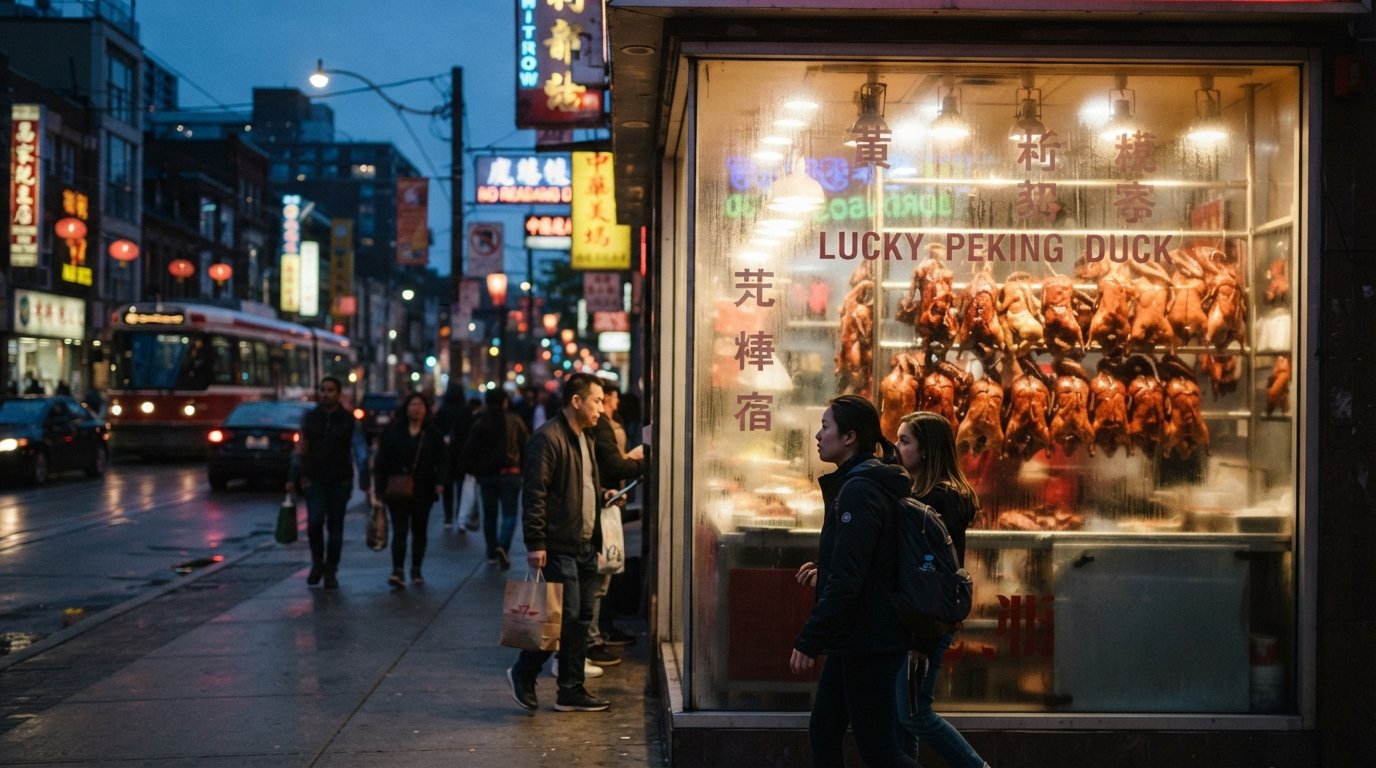
Spadina Avenue at Dundas doesn’t ease you into Chinatown so much as announce it. The roast ducks are there in the glass, the steamed-up windows are there, the traffic is there, and somewhere above the street a tray of siu mai is rattling toward a table that’s already half-finished with tea. This is the loudest, cheapest, most delicious block in downtown Toronto, and it still feels like a working market rather than a polished destination. Walk it hungry and you’ll understand the appeal immediately: the food is close, the prices are kind, and the whole neighbourhood spills west into Kensington Market as if the city had forgotten where one ends and the other begins.
What Chinatown is known for
This is Chinatown West, the neighbourhood that grew up around Spadina Avenue and Dundas Street West after Toronto’s original Chinatown near the new City Hall was expropriated in the late 1950s and businesses moved west. That history matters, because what you get here is not a decorative “ethnic” strip but a place that had to remake itself in motion. It did, and then kept going. Today it is one of the largest Chinatowns in North America, and the city’s default answer for cheap, authentic Chinese, Vietnamese and Hong Kong-style food.
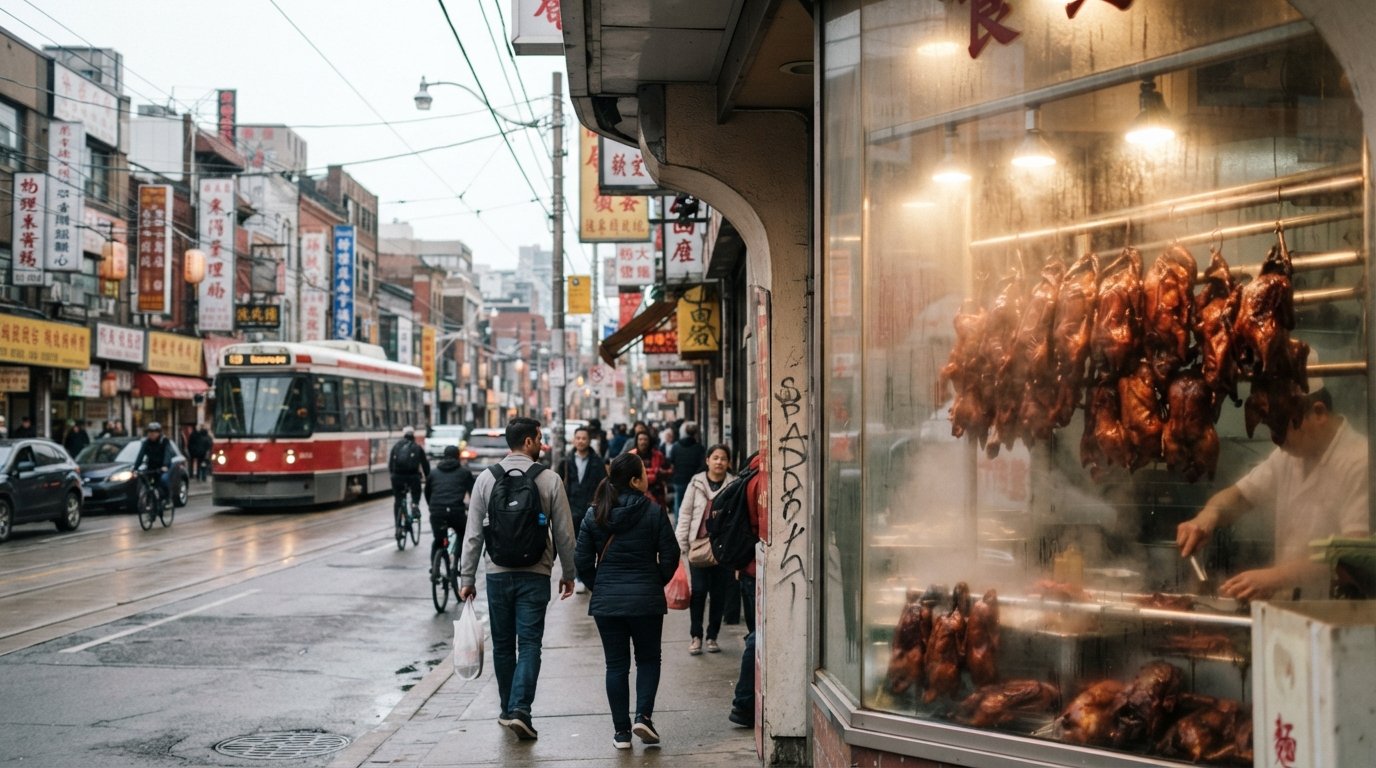
The street’s identity comes down to three things. First, dim sum, in both its forms: the old-school trolley-cart ritual and the newer all-day version that lets you order on your own schedule. Second, roast meats, with ducks and char siu hanging in shop windows the length of Spadina. Third, value. You can still eat a full meal here for a fraction of what downtown charges elsewhere, which is why students, office workers, families and food obsessives keep coming back. The strip is also a shopping destination in its own practical way — kitchen-supply shops, herbalists, tea counters, bubble tea, groceries — and it works as a launchpad too, because Kensington Market is a few steps west and the Art Gallery of Ontario sits a block east.
What makes the neighbourhood feel alive is the texture at street level: produce crates on the pavement, herbalists weighing dried roots on brass scales, phone-repair counters, opticians, roast-meat shops where the cleaver never seems to stop. It’s dense, cash-friendly and gloriously un-precious. The soundtrack is streetcar bells on the 505 and 510 lines, Cantonese and Mandarin over traffic, and woks roaring behind fogged glass. There’s a bittersweet edge to it now, because rents have climbed hard and some old family businesses have closed. Longtime regulars notice, and they’ll tell you about it if you ask. But the value remains, and so does the rhythm. Few Toronto neighbourhoods deliver this much for this little.
Where to eat & drink
Start with dumplings, because that’s how the day tends to begin here even if you arrived planning otherwise. Mother’s Dumplings at 421 Spadina hand-folds Northern-style dumplings to order, and the pork-and-dill version is the reference order. It’s Michelin Guide-listed, but the room still feels like the kind of place where people come because the food is straightforward and good, not because it has a trophy on the shelf. They’ll sell you frozen dumplings at the door on the way out, which is exactly the sort of practical gesture Chinatown does better than anywhere else.
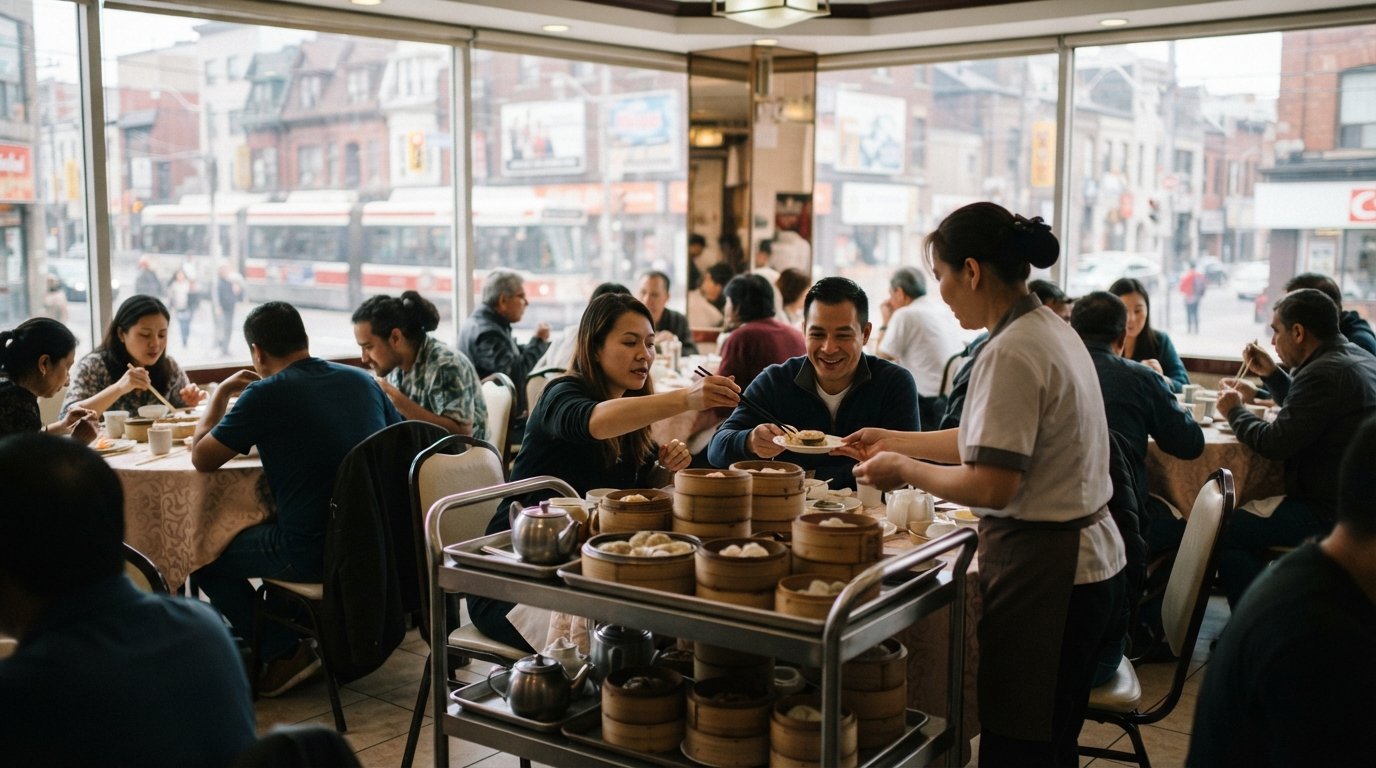
A few doors and blocks away, Rol San keeps the dim sum conversation going on its own schedule. It’s the all-day answer, with kitchen hours that stretch past midnight, so har gow and rice rolls are available when a lot of downtown has already gone dark. If your idea of dim sum still includes carts, head up above the Spadina-and-Dundas corner to Dim Sum King, where siu mai, congee and steamed buns still make the rounds the traditional way. Weekend mid-morning is the sweet spot; go then and you get the full ritual, the clatter, the hovering, the little race to catch a cart before it moves on.
Roast meats are the other pillar, and no one does that window theatre quite like King’s Noodle at 296 Spadina. It’s the Cantonese barbecue-over-noodles institution, cash only, open late, and about as pure a Chinatown experience as you can get without being handed the cleaver yourself. The ducks hang in the window, the noodles come fast, and nobody is pretending this is anything but what it is. Nearby, Swatow at 309 Spadina has been serving no-frills Cantonese for more than 40 years — wonton noodle soup, congee, fast and cheap — the kind of place that earns loyalty by showing up every day and not changing the terms.
For something more ambitious, R&D at 241 Spadina brings a different energy to the strip. It’s the modern-Cantonese room from Eric Chong and Alvin Leung, and its Michelin Bib Gourmand status reflects the fact that this is inventive food without the fussiness that can make “modern” feel like a warning label. The dim sum and sharing plates are the draw, but the larger pleasure is seeing how Chinatown can stretch without losing its footing.
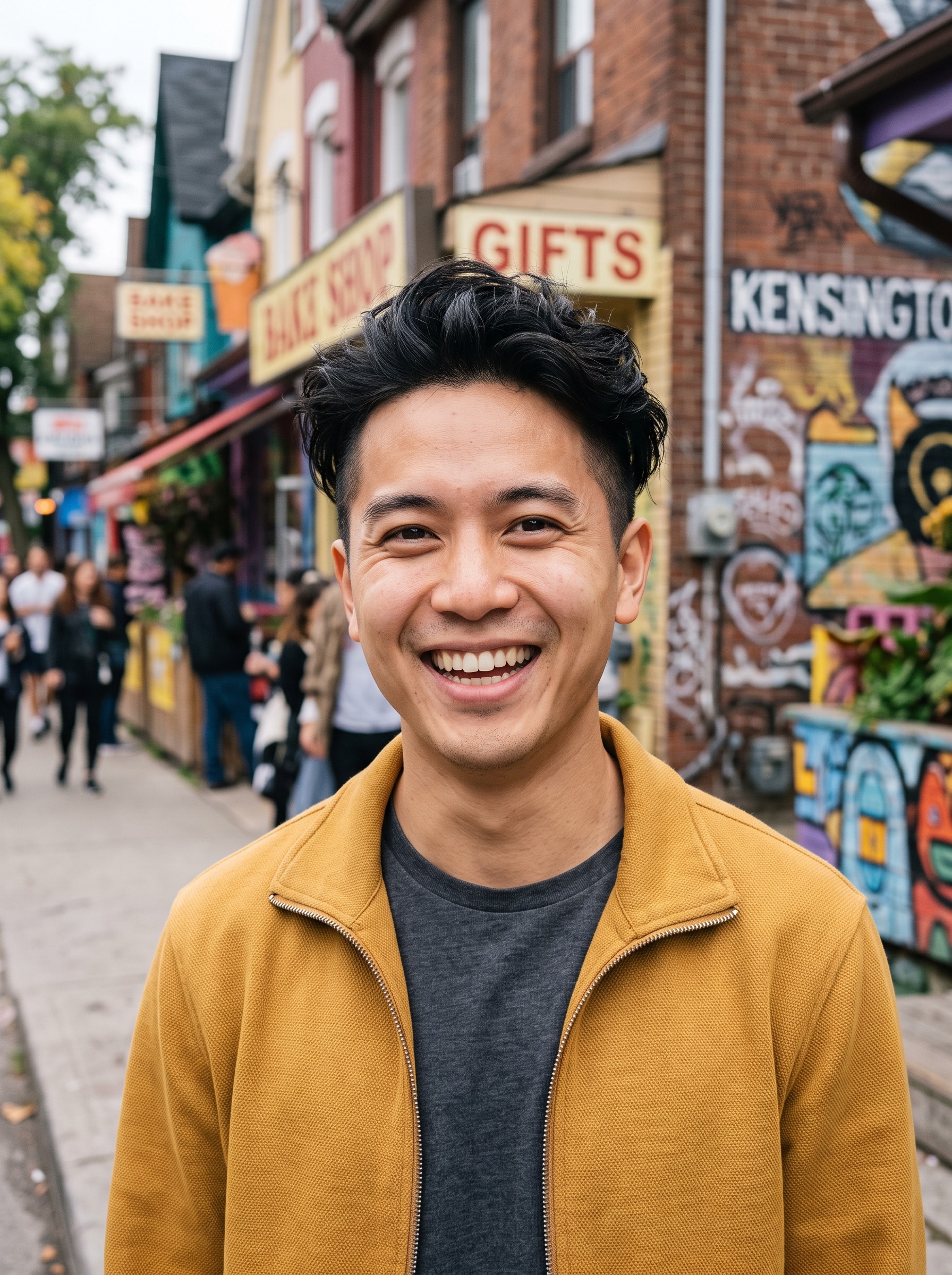
If you want Vietnamese, Pho Hung sits on the Chinatown-Kensington seam and keeps the long-running family pho-house model alive in a part of the city where that still matters. And if you’re willing to step just over the line into Kensington Market, Sunny’s Chinese is a worthwhile detour: playful regional Chinese cooking, a Michelin Bib Gourmand, and a much-photographed Hong Kong French toast that has become one of those dishes people order partly because they’ve seen it and partly because the room makes you want to.
Going out
Chinatown is more a late-eats neighbourhood than a bar district, and that’s part of its charm. The real after-dark energy is noodles at midnight rather than clubs, which means the evening often feels less like an event and more like a continuation of the day. Still, a few Spadina institutions give the strip a proper night pulse.
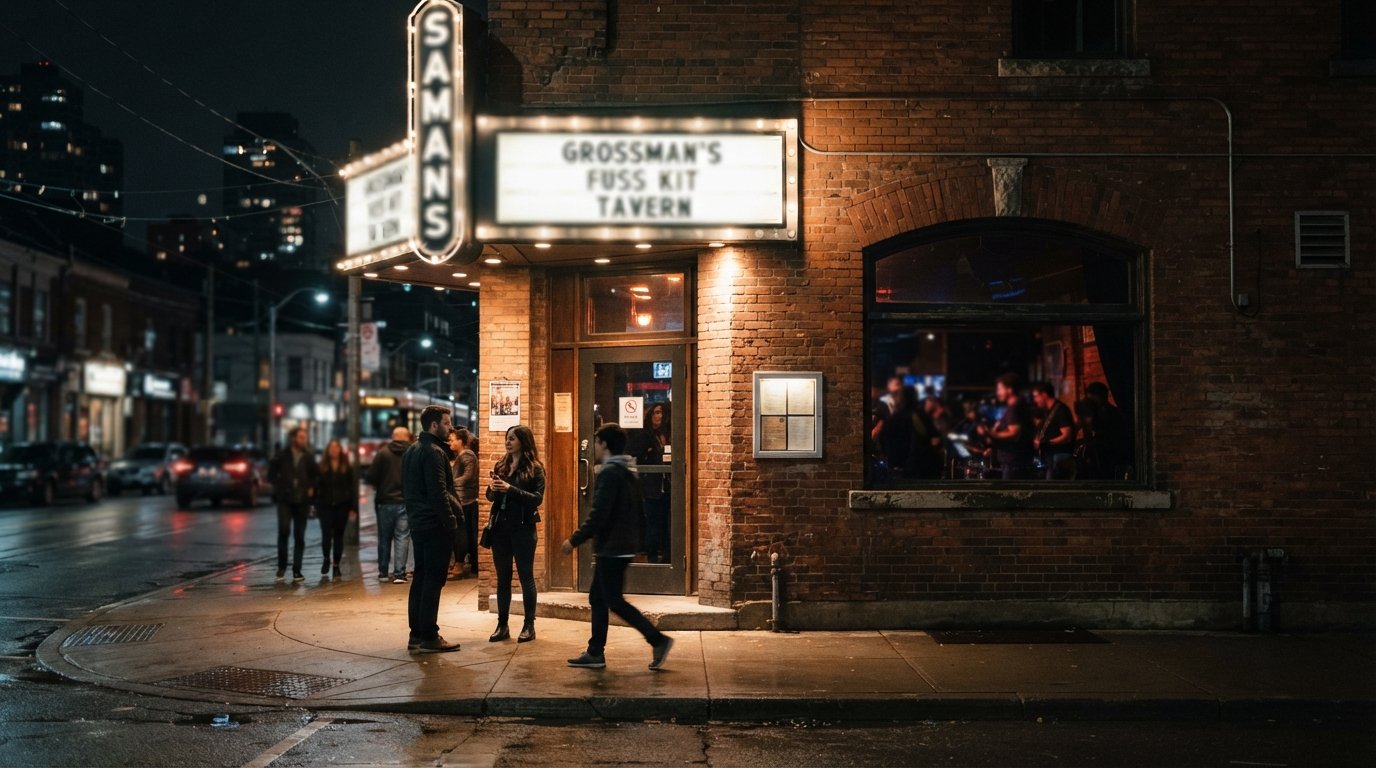
Grossman’s Tavern at 379 Spadina is one of Toronto’s oldest live-music dives, open since the 1940s, and it has the comfort of a place that knows exactly what it is. There’s no cover, the music leans blues, jazz and open mic, and the Saturday-afternoon New Orleans jazz session is a local ritual. It’s the sort of room that reminds you downtown Toronto still has a few places where the night can be unpolished and excellent at the same time.
A short walk south, toward the College Street edge, El Mocambo at 464 Spadina brings a different kind of history. It’s the legendary rock club that hosted the Rolling Stones, reopened after a major renovation and now running live shows across two stages. The building carries its own mythology, but the useful thing is that it’s back in circulation, which means the neighbourhood has another late-night anchor with real weight behind it.
For group nights, 8090 KTV near Dundas and Spadina is the glossy counterpoint: private-room karaoke, a full bar and late hours. It fits the area’s practical nightlife better than a velvet-rope club ever could. And if you’re still out when the kitchens start to wind down, the Kensington bars a couple of blocks west — dive bars, mezcal spots, backyard patios — take over naturally. Chinatown doesn’t need to become something else after dark; it just keeps feeding people until bedtime.
Things to do / what to see
The main event here is the walk itself. Spadina rewards a slow food-and-shop crawl, because the best bits are the ones you notice between stops: the herbalists, the tea houses, the kitchen shops, the groceries with produce spilling onto the sidewalk, the little service counters tucked into malls and upper floors. It’s a neighbourhood built for browsing with purpose. You come for lunch and end up learning which shop sells the good cleavers.
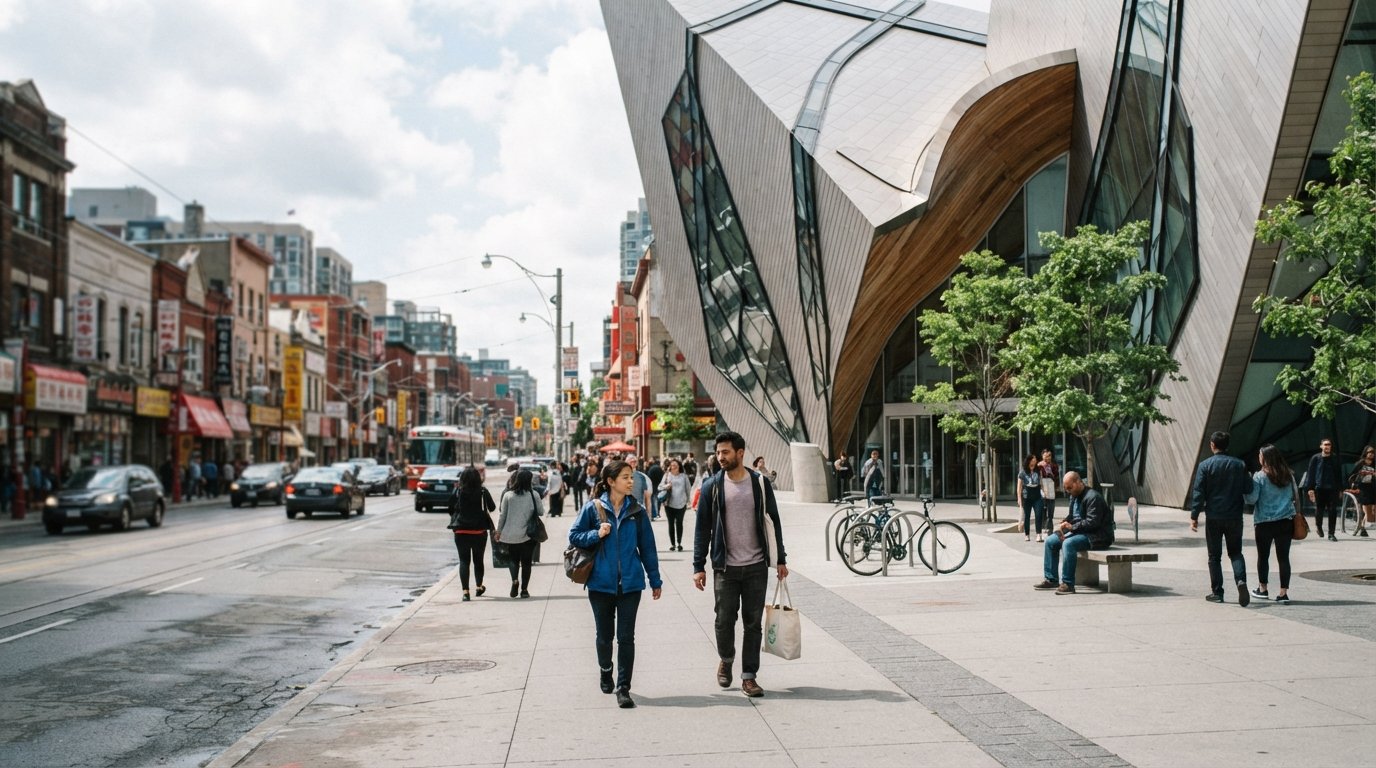
A block east on Dundas, the Art Gallery of Ontario (AGO) gives the area a very different kind of anchor. It’s a huge collection spanning the Group of Seven, Indigenous artists and European masters, in a Frank Gehry-reworked building, and it makes an easy rainy-day pairing with lunch on Spadina. That contrast — roast duck before modern art, or the other way around — is one of the pleasures of this corner of the city. You can do both without changing pace.
If you’re here at the right time, the street itself becomes the attraction. Lunar New Year brings lion and dragon dances to the street in late winter, while the summer Toronto Chinatown Festival shuts down stretches of the neighbourhood for performances and a food fair. Those are the days when the area’s public life spills widest, and the familiar grid turns into something more festive and less linear.
Most other days, though, the pleasure is in the ordinary browse. Chinatown is one of those places where “what to see” is partly a matter of letting your eye adjust to the density. A tea house here, a herbalist there, a counter with mooncakes or preserved fruit, a mall hallway with a pharmacy and an optical shop and a food stall. Then, just when you think you’ve exhausted the strip, you keep walking west and hit Kensington Market, that ramshackle, car-optional warren of vintage stores, produce stalls and global street food. The border between the two is so porous that the whole outing becomes one long appetite.
Don’t miss in Chinatown
Shopping for fresh produce and imported goods along Spadina.
The indoor stalls of Dragon City Mall.
The proximity to the Art Gallery of Ontario.
Shopping & markets
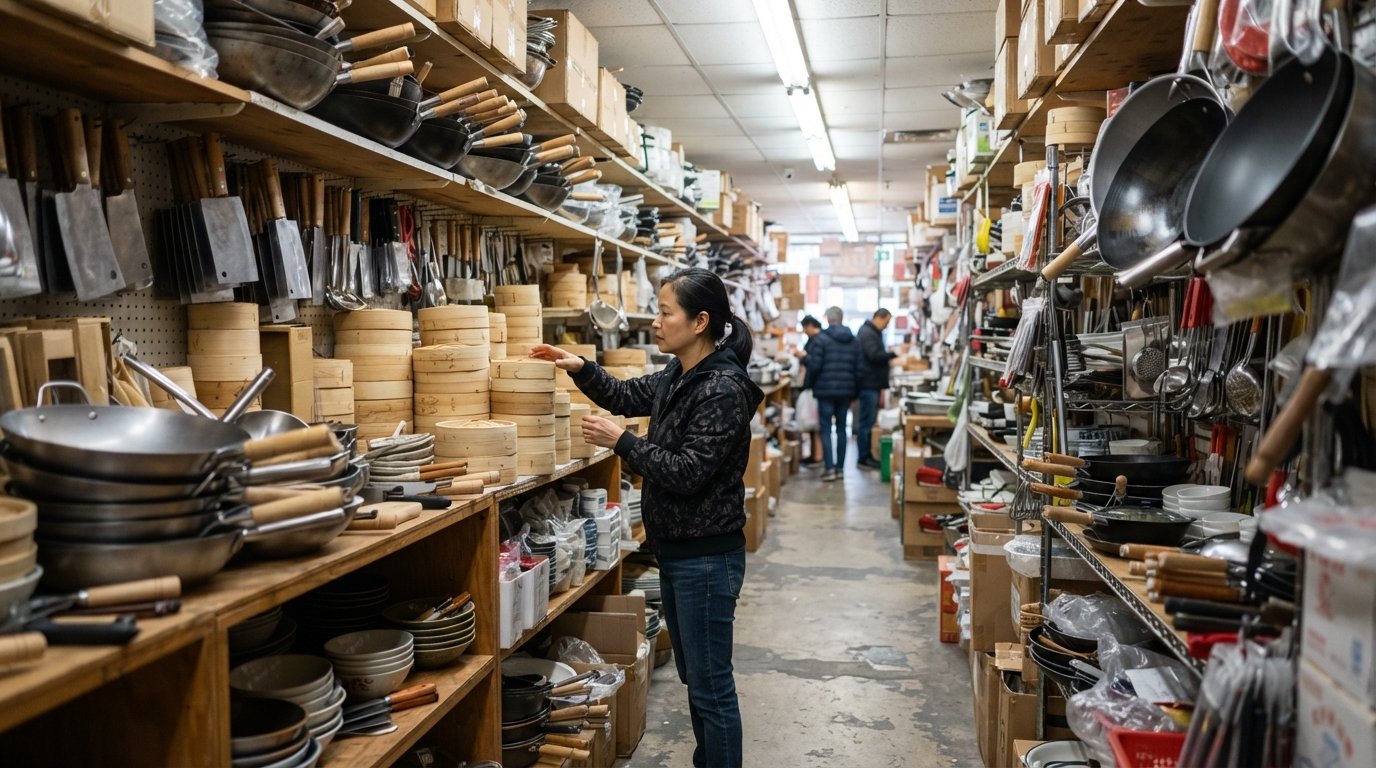
Shopping in Chinatown is half the fun and mostly practical, which is exactly why it works. Tap Phong Trading is the beloved kitchen-supply cavern, a rite of passage for any Toronto home cook. Woks, cleavers, dim-sum steamers, tableware, cheap souvenirs like paper lanterns — it’s all stacked high, often to the ceiling, and the fun is in realizing how much of a home kitchen can be solved in one visit.
For a more mall-like experience, Dragon City Mall at 280 Spadina, on the Dundas corner, is the neighbourhood’s indoor hub. It mixes food counters, pharmacy, optical and salon services, and small shops on the upper floors, which is to say it functions the way a working neighbourhood centre should: not glamorous, just useful. You go in for one thing and emerge with three.
Tea deserves its own stop, and Ten Ren’s Tea on Dundas just off Spadina is the Taiwanese specialist to know. Oolongs, single-origin leaves, loose tea to take home or brewed to drink in — it’s the kind of place where a browsing visit can turn into a small lesson if you let it. Elsewhere along the strip, Chinese herbalists weigh out dried roots and medicinal teas by hand. Even if you’re only curious, it’s worth the look, because the staff will often explain what’s what and the whole exchange feels more like everyday commerce than performance.
And then there’s the produce. Grocers along both Spadina and Dundas spill cheap, seasonal fruits and vegetables onto the pavement, which is why locals do their weekend shop here. Chinatown isn’t only a place to eat out; it’s a place to stock a kitchen, and that practical streak is part of its character. The neighbourhood’s best shopping isn’t about souvenirs, though you can certainly find them. It’s about walking away with something you’ll use tomorrow.
Where to stay in Chinatown
Be honest with yourself: there are very few actual hotels inside Chinatown, and the ones nearby skew toward budget guesthouses, inns and short-term rentals rather than polished properties. That’s not a drawback so much as a clue. Chinatown is better as a place to eat from than to sleep in. Most travellers do better basing themselves a short walk away — in the Entertainment District or the Financial District to the south and east — then treating Chinatown as the food headquarters of the trip.
If you specifically want to stay close to the action, look at the guesthouses and small inns clustered along Dundas West and the Kensington fringe. They’re cheap and central-adjacent, but basic, so recent reviews matter. Budget-hunters will usually find lower rates in the wider Chinatown-Kensington pocket than in the downtown core, and shoulder-season months like January and November tend to be the cheapest. The live hotel options render directly below.
Where to stay here
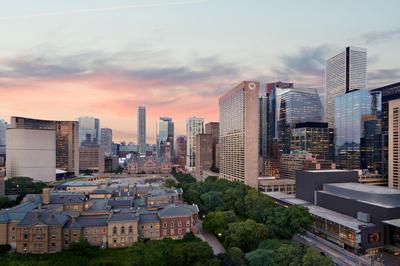
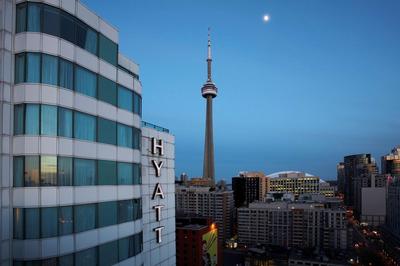
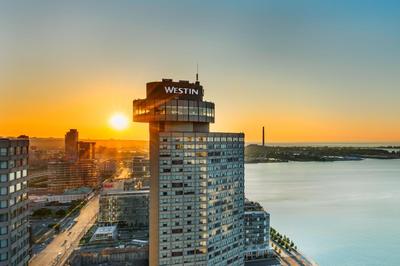
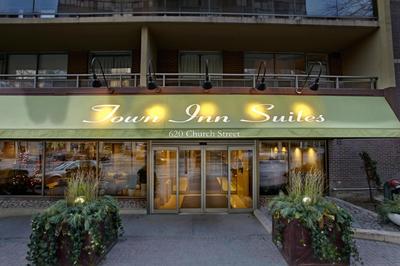
Hotels in Chinatown
Our best-rated stays in this neighbourhood. Prices are approximate “from” rates — confirmed at the provider when you continue. We may earn a commission if you book through our partners — at no extra cost to you.
 In this area
 In this area
 In this area
 In this area
 In this area
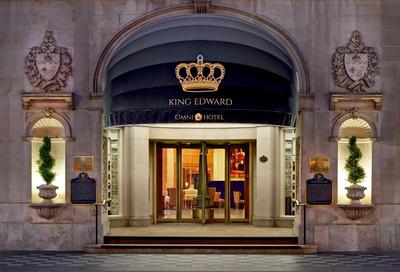 In this area
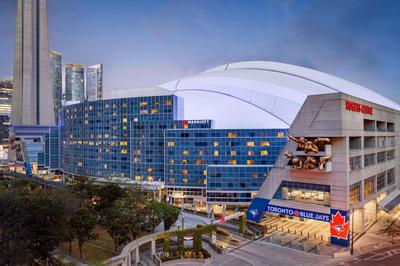 In this area
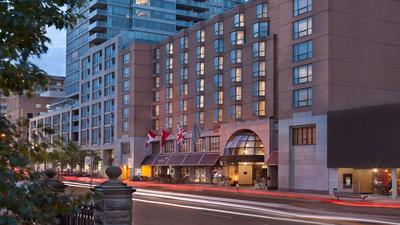 In this area
The Yorkville Royal Sonesta Hotel Toronto
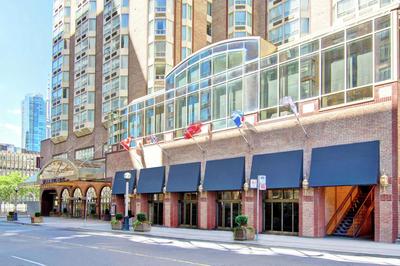 In this area
DoubleTree by Hilton Toronto Downtown
 In this area
 In this area
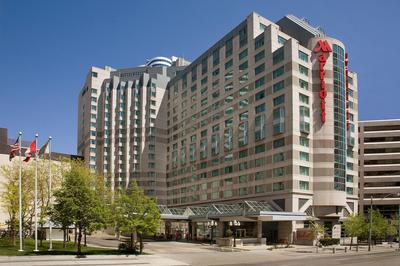
Marriott Downtown at CF Toronto Eaton Centre
 In this area
Getting around
Chinatown is compact and made for walking. The whole eating strip is a 10-minute stroll end to end, which is why the neighbourhood works so well as a wandering lunch-to-dinner zone. If you’re arriving by transit, the 510 Spadina streetcar runs the length of the avenue and connects north to Spadina station on Line 1 (Yonge-University). The 505 Dundas streetcar crosses east-west through the neighbourhood. From Line 1, ride to Spadina or St. Patrick station and you’re minutes away.
You’re also close to a lot of downtown Toronto without needing to think too hard about it. The Entertainment District, the CN Tower and Union Station are roughly a 10-15 minute walk or one short streetcar hop away. Union is your connection for the UP Express train to Toronto Pearson Airport, about 25 minutes from downtown. Kensington Market is a two-minute walk west, and the AGO is a block east, so once you’re here you can move by foot almost entirely.
One last practical note: many of the best small spots are cash-only, and streetcars can be slow in traffic, so give yourself time. Chinatown rewards people who don’t rush the block. That’s the whole point. The place works because it is still a neighbourhood with errands, regulars and routines, not a themed district built to be consumed quickly. Come hungry, carry some cash, and let Spadina decide how long you stay.
Good to know
Chinatown — your questions
Is Chinatown a good area to stay in Toronto?
It’s a much better place to eat than to sleep. There are very few real hotels inside Chinatown, mostly guesthouses and rentals, so most travellers base in the nearby Entertainment or Financial Districts and come over for the food. If you want a basic, central-adjacent stay, the Dundas and Kensington fringe can work.
Is Toronto’s Chinatown safe?
Yes. It’s one of the busiest, most walked parts of downtown, with late-night restaurants keeping the area active well into the evening. As in any big city, stay aware around Spadina and Dundas after dark, but there’s nothing here that should put you off visiting or eating at night.
Where should I eat dim sum in Toronto’s Chinatown?
For the traditional trolley-cart experience, go to Dim Sum King above the Spadina-and-Dundas corner, ideally mid-morning on a weekend. For all-day dim sum with no cart wait — including very late — Rol San on Spadina is the reliable pick. For dumplings folded to order, Mother’s Dumplings at 421 Spadina is excellent, and R&D at 241 Spadina does a modern, Bib Gourmand-level take.
What’s Chinatown best for?
Cheap, authentic eats — especially dim sum, roast meats and late-night noodles — plus practical shopping for tea, kitchen gear and groceries. It also pairs easily with Kensington Market and the AGO, so it works well as part of a full downtown day.
Gallery