The Toronto issue
No Car Required: The Hidden City Under Toronto's Streets
A calm, end-to-end walk through Toronto's PATH — 29 kilometres of underground walkway linking malls, food halls, a hockey shrine, an arena and Union Station, no coat and no car required.

By Robin KellerToronto on foot, neighbourhood by neighbourhood
The PATH does not look like much from the street; its entrances are unmarked glass doors set inside bank towers, easy to walk straight past. Underground it is a different proposition — roughly 29 kilometres of connected walkway threading beneath Toronto's Financial District, linking two subway stations, a train hub, an arena, several hotels and more than a thousand shops and food counters. On a February morning you can cross the core, reach a hockey game and catch a train south without once putting on a coat.
Getting your bearings
The PATH is easiest to read as a north–south spine. The northern end is the shopping core around Dundas and Queen; the southern end is Union Station, on the edge of the lake. This guide walks it in that order — top to bottom — because that is the direction that finishes at the trains, and because the busiest, brightest stretch is where you want to be while your legs are fresh and the shops are open.
Navigation is by coloured signage: the letters P-A-T-H, each in a different colour, point you toward the four compass directions. It is not always intuitive — the walkways bend around building foundations, so straight lines are rare. Treat the markers as your compass rather than expecting a corridor that runs true.
It is worth being clear about what the PATH is and is not. It is not a single attraction you pay to enter; there is no grand hall, no landmarked route. It is infrastructure — a way to move, eat and shelter that happens to string together a handful of things worth stopping for. Treated that way, as a spine you hang a day on, it earns the trip.
One honest caveat before you start: the PATH is a weekday animal. It exists to move office workers, so most of it is fully alive Monday to Friday and considerably quieter — in places dark — on weekends. I'll flag which places stay open as we go.
Plan your Toronto trip
Live prices from our booking partners.
Free cancellation on many rooms. We may earn a commission when you book.
The northern anchor: the shopping core
Start at CF Toronto Eaton Centre (Downtown Yonge), the mall that anchors the northern end of the network. Enter directly from Dundas station on the subway's Line 1, or from Queen station a block south. There is no ticket and no door policy — it is a public mall, free to enter, and by foot traffic the busiest mall in North America, which you'll feel most at midday. Tour groups and large parties wander it without friction.
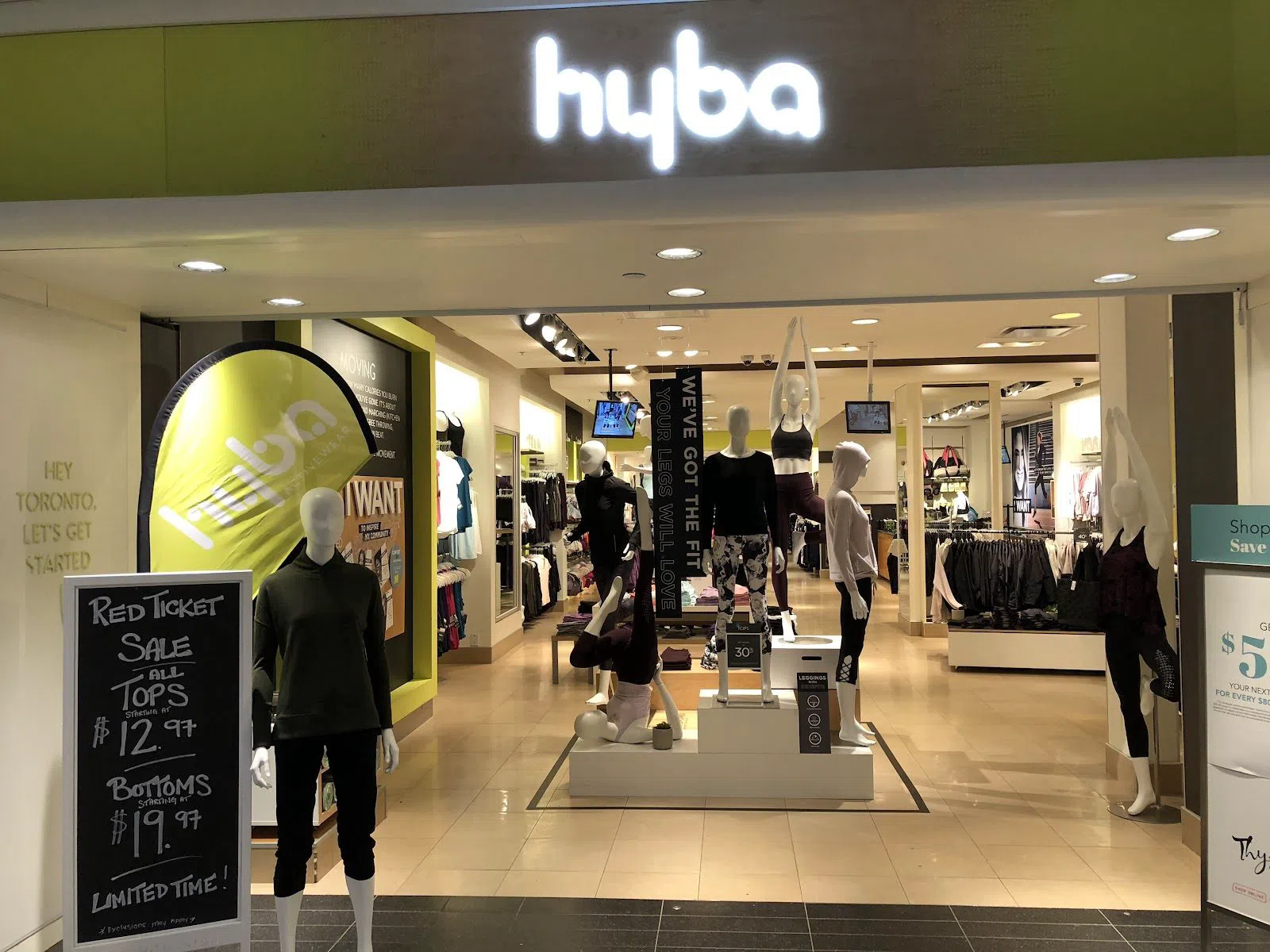
Two things to know. The interior shops shutter somewhere between 7 and 9pm, and the crowd thins noticeably on Sundays. And for all its scale, the Eaton Centre is the least underground-feeling part of the walk — it is a shopping mall as much above ground as below. It is the obvious place to begin, not the reason to come.
From the mall's southern end, follow the PATH markers south. The walk down to Union is roughly 15 to 20 minutes at an unhurried pace, and it is here, past Queen, that the network starts to feel like the thing its reputation promises.
The architectural set piece and the hockey shrine
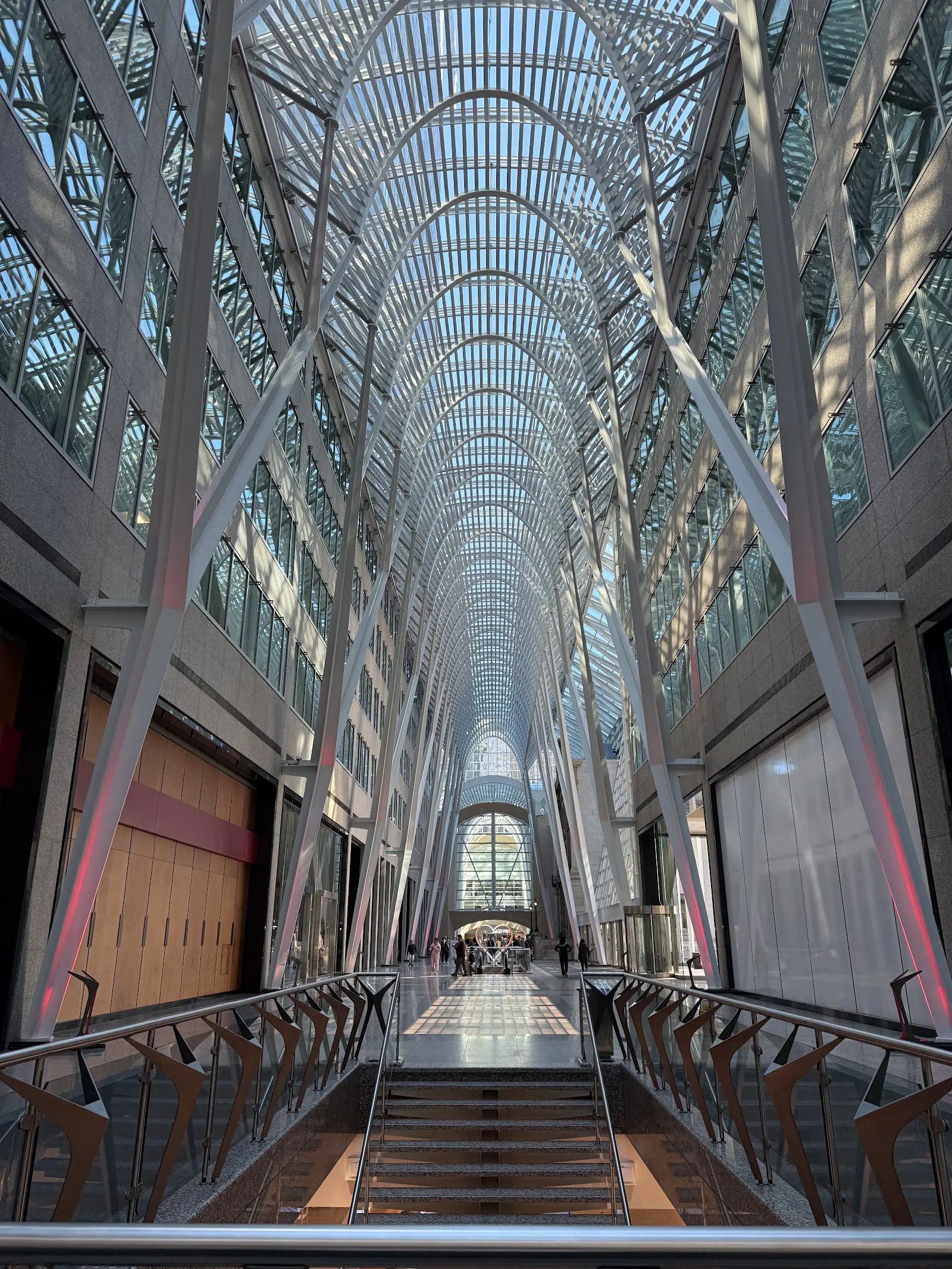
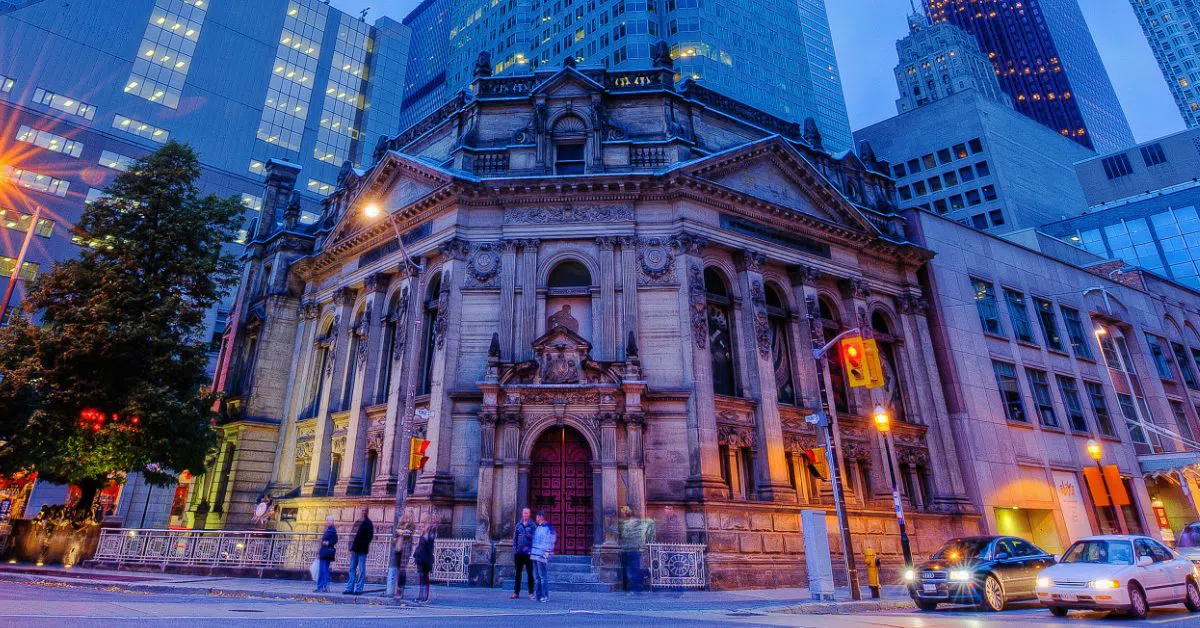
About two-thirds of the way south, around Bay and Wellington, you reach Brookfield Place — Allen Lambert Galleria (Financial District). It is a free public thoroughfare, open to walk through at any hour, and it is the one space on the whole PATH worth slowing down for even if you are buying nothing: a corridor of white steel ribs arching overhead like the inside of a hull. It handles groups easily and is the natural place to stop for a photograph.
The galleria connects directly to the Hockey Hall of Fame (Brookfield Place, Yonge and Front), the network's headline paid attraction. Entry runs about CA$25 for an adult, with group rates available, and the draw is the interactive stuff — the shootout games where you take shots on a virtual goaltender, or try to stop them. It suits families and mixed groups, and it is a genuine pull for hockey fans arriving from abroad. Reached straight off the concourse, it needs no trip outside.
Where to eat and drink underground
The Financial District is where the PATH's food lives, and it splits cleanly into weekday-only and open-all-week. Book and time accordingly, because the difference is stark by Saturday.
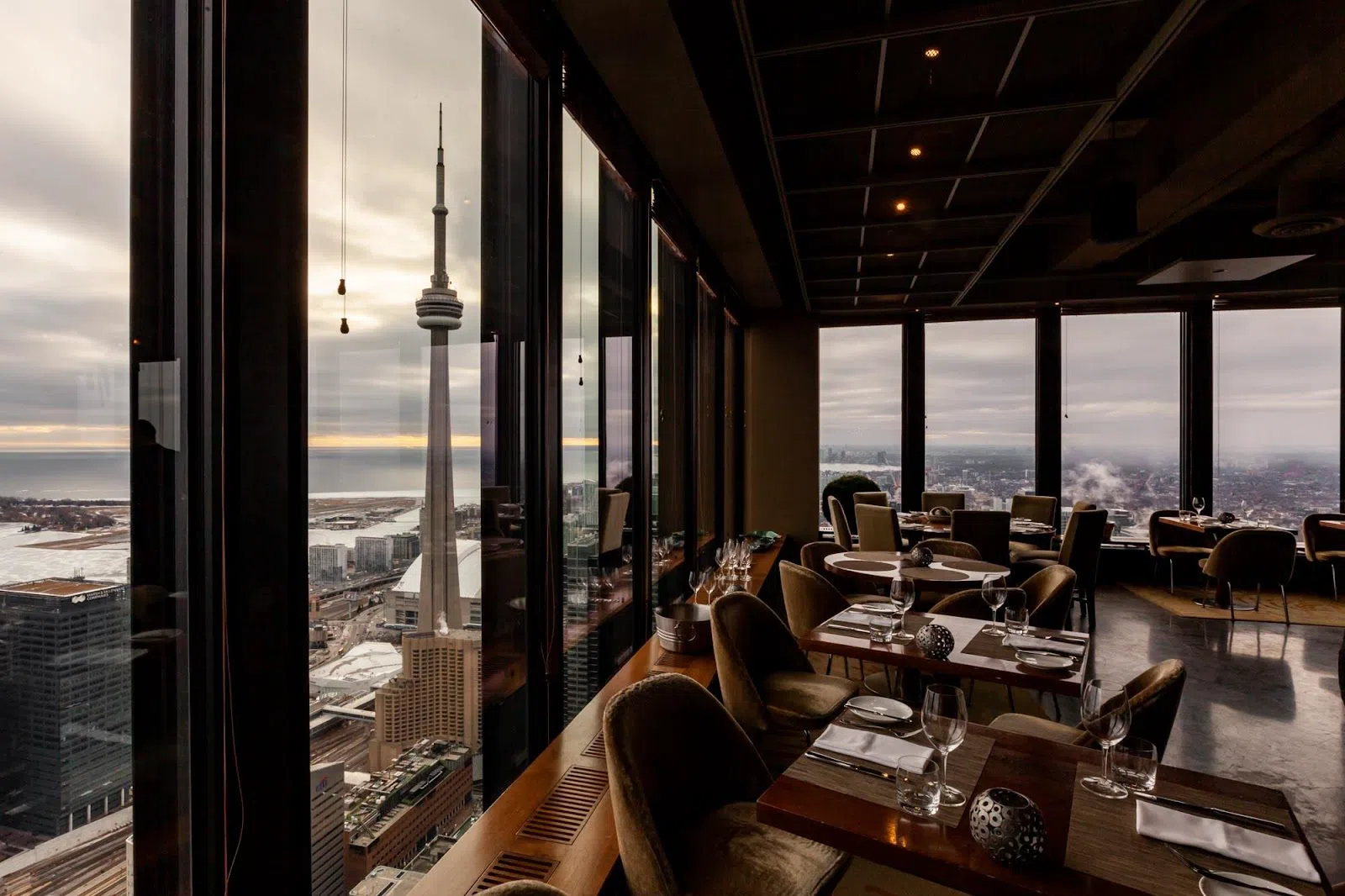
For a proper dinner, Canoe (TD Centre, Financial District) is the splurge — a Michelin-listed Canadian restaurant reached via the TD Centre concourse. Reservations are essential; the online booking system takes tables of up to 12, and private events are possible. Expect $$$$: mains from CA$50, or a tasting menu. The catch is that it is closed at weekends, so this is a weekday-dinner plan, and it suits couples and special occasions rather than a walk-in crowd.
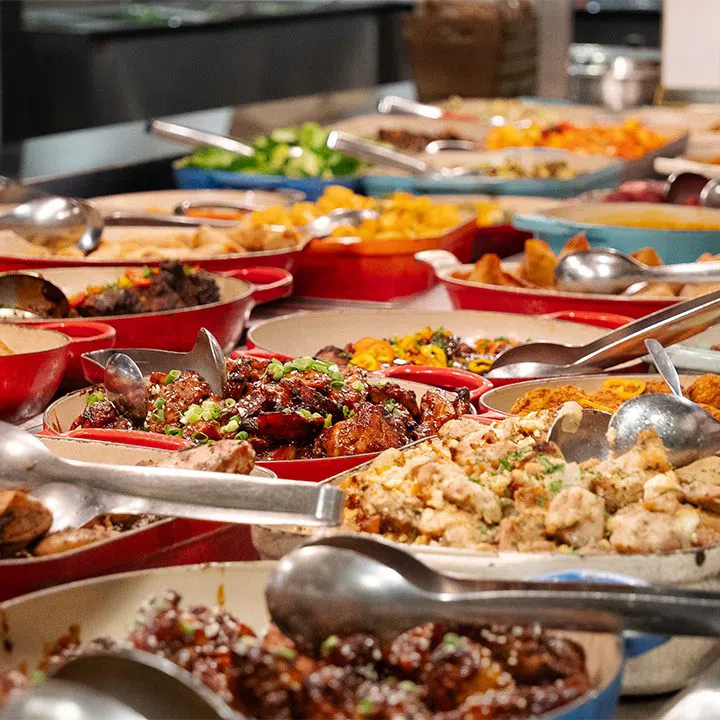
A few steps away in the same concourse, McEwan Fine Foods (TD Centre) is chef Mark McEwan's underground gourmet hall — grab-and-go counters of prepared food rather than a sit-down room. It is the most refined way to assemble a picnic on the PATH, fine for a couple or a small group but not a destination to linger in, and, like most of the Financial District, weekday-only and closed at weekends. Price is $$.
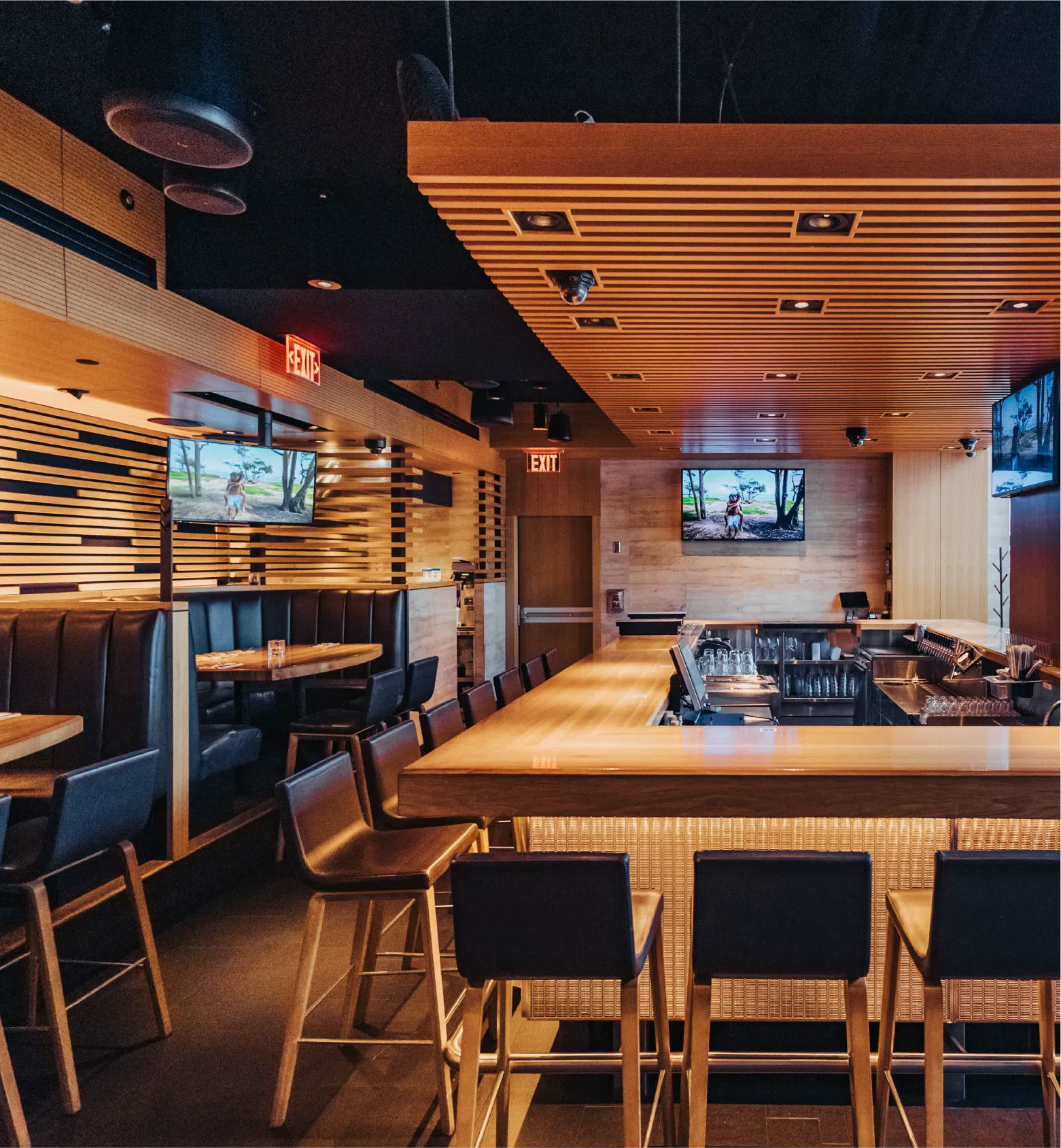
Under First Canadian Place, two rooms trade through the weekend. King Taps (First Canadian Place, Financial District) is a large, loud beer hall with what it bills as Canada's largest tap wall; it takes walk-ins and big bookings, runs to $$, and is the standard after-work drink on the network. Against the office-tower restaurants that can feel stiff, it is the livelier option, and it is a comfortable landing spot for a group. Next door, Cactus Club Cafe (First Canadian Place) is a polished restaurant-bar and one of the few PATH-level rooms open at weekends, taking reservations and walk-ins and handling groups without fuss at $$–$$$. For a mixed international party that wants something reliable rather than adventurous, it is the safe call.

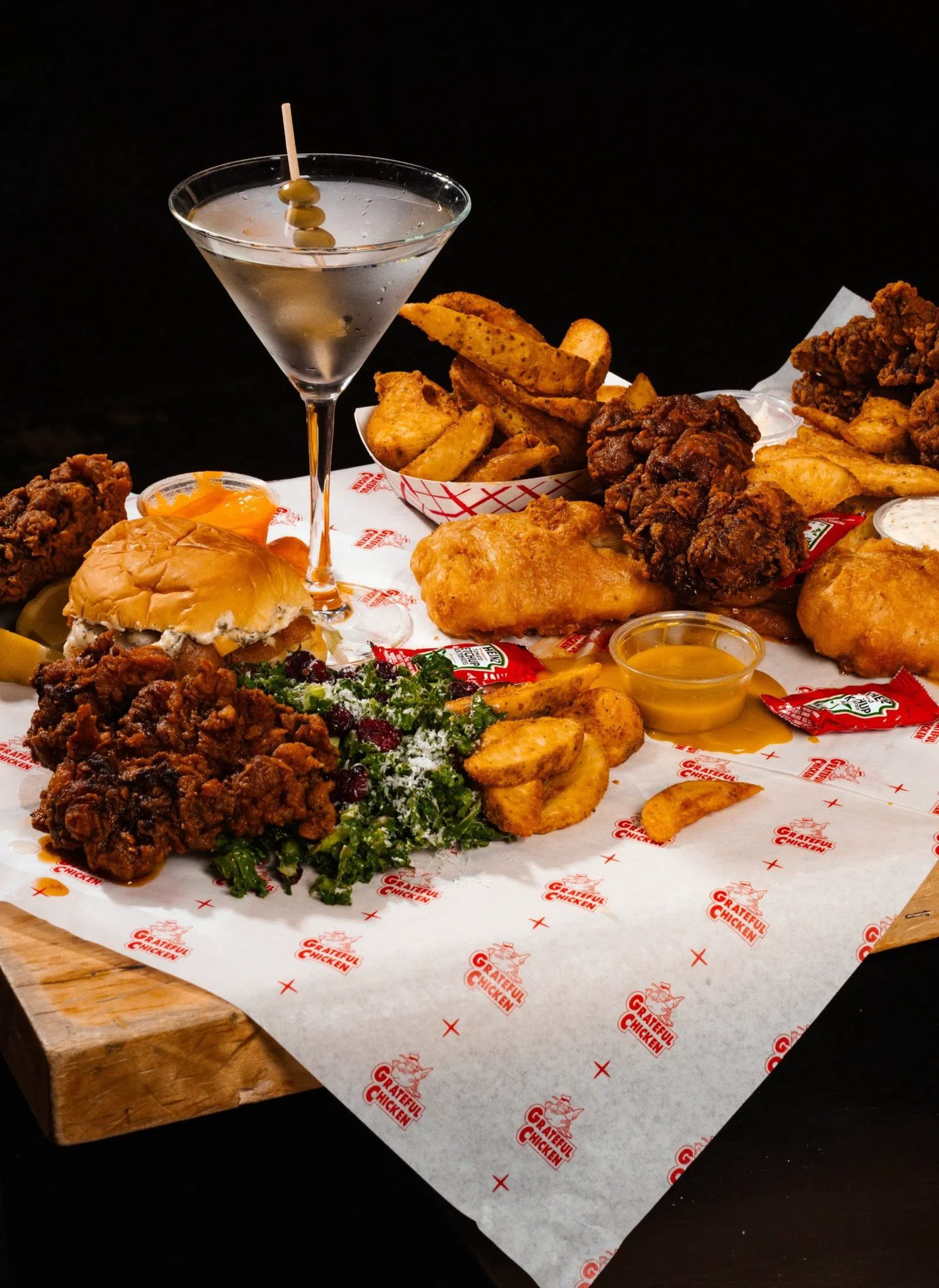
For value, and for feeding a group, Assembly Chef's Hall (Financial District) is the best choice in the core. It is a genuinely chef-led food hall — tacos, fried chicken, poke and more from separate stalls — with walk-in seating and no stall reservations, sprawling enough to absorb a large party, open seven days, and cheap at $ (mains CA$12–22). It also stays open when the towers empty out, which makes it one of the more dependable feeds after hours and at the weekend.
South to Union: trains, a game and a grand hotel
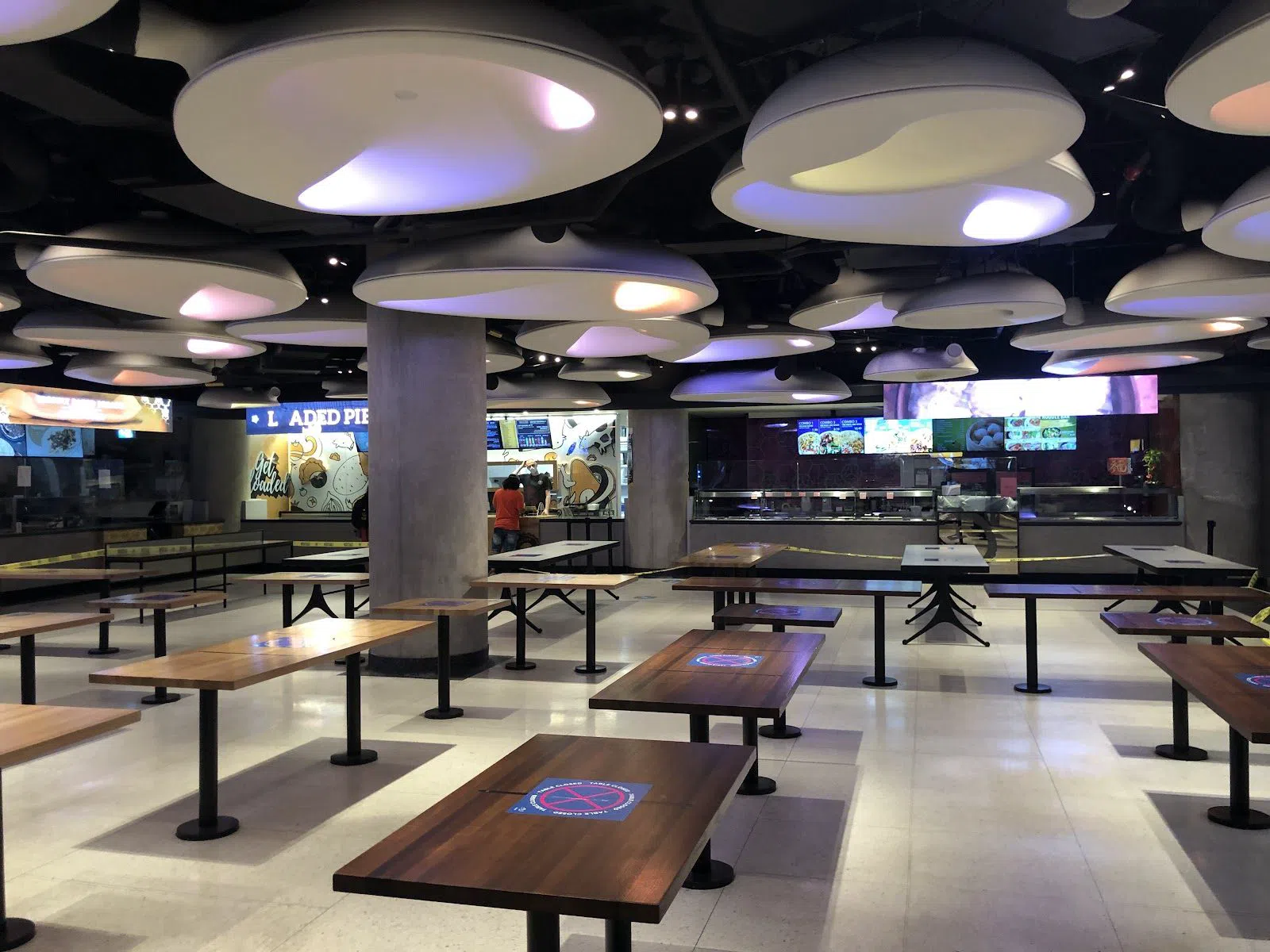
The southern end of the PATH is Union Station, the transit gateway, and its food is the most reliable all-week option on the whole network. The Union Station — York Concourse Food Hall (Union Station) seats about 600 in casual style, easily absorbing large groups, and is open seven days — the answer when the Financial District spots are dark on a weekend. Counters include Roywoods and Loaded Pierogi, with mains around CA$12–20. Union itself connects the subway's Line 1, regional GO trains, the airport rail link and the streetcars, which makes it the practical bottom of your walk.
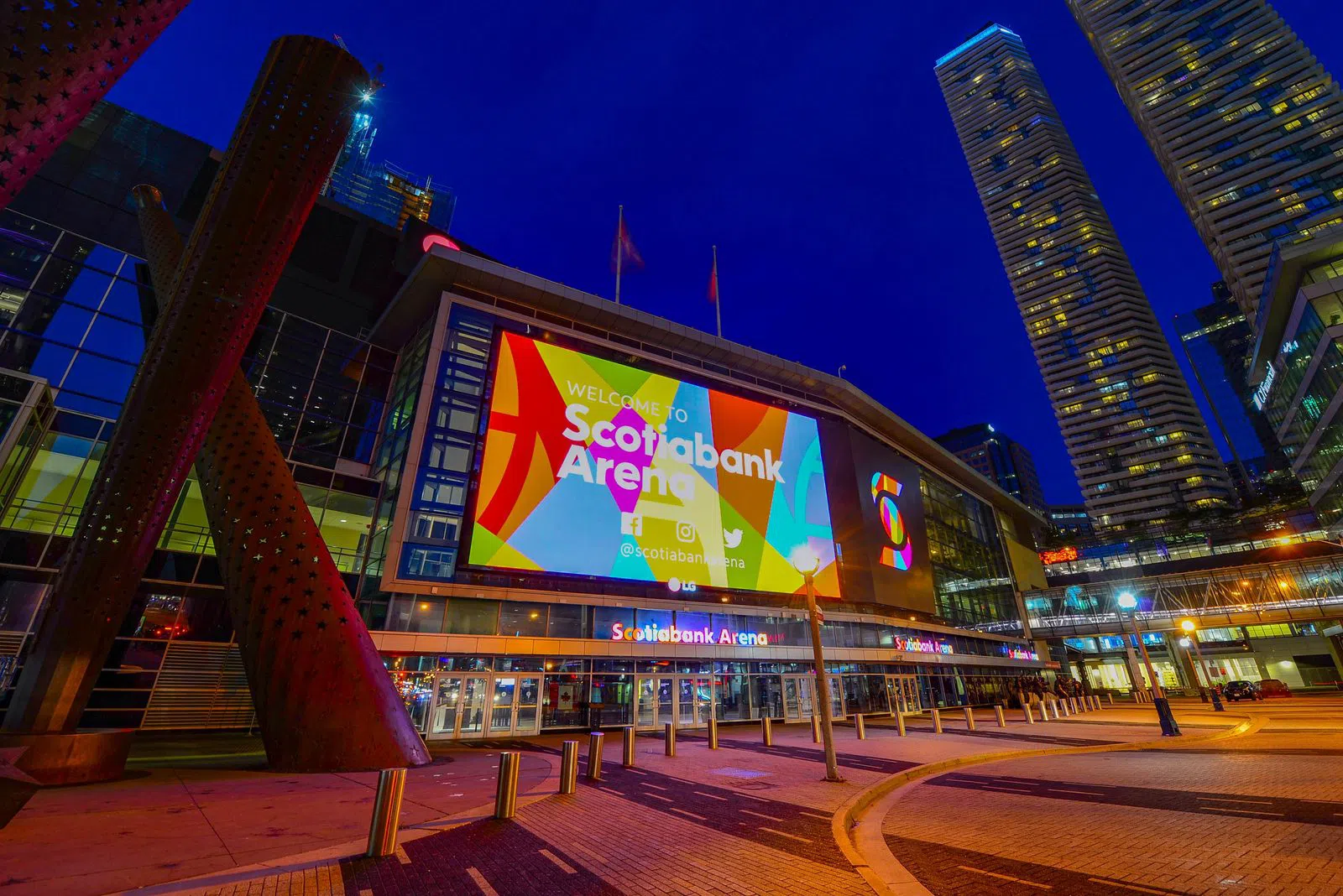
From Union, Scotiabank Arena (South Core) is less than 200 metres away along the PATH. This is the clearest demonstration of the underground-city idea: in winter you can reach a Leafs hockey game, a Raptors basketball game or a concert without stepping outside. Events are ticketed and priced by demand ($$–$$$$), with group tickets and suites available; buy ahead, as the popular dates sell out and there is no walk-up bargain to be had.
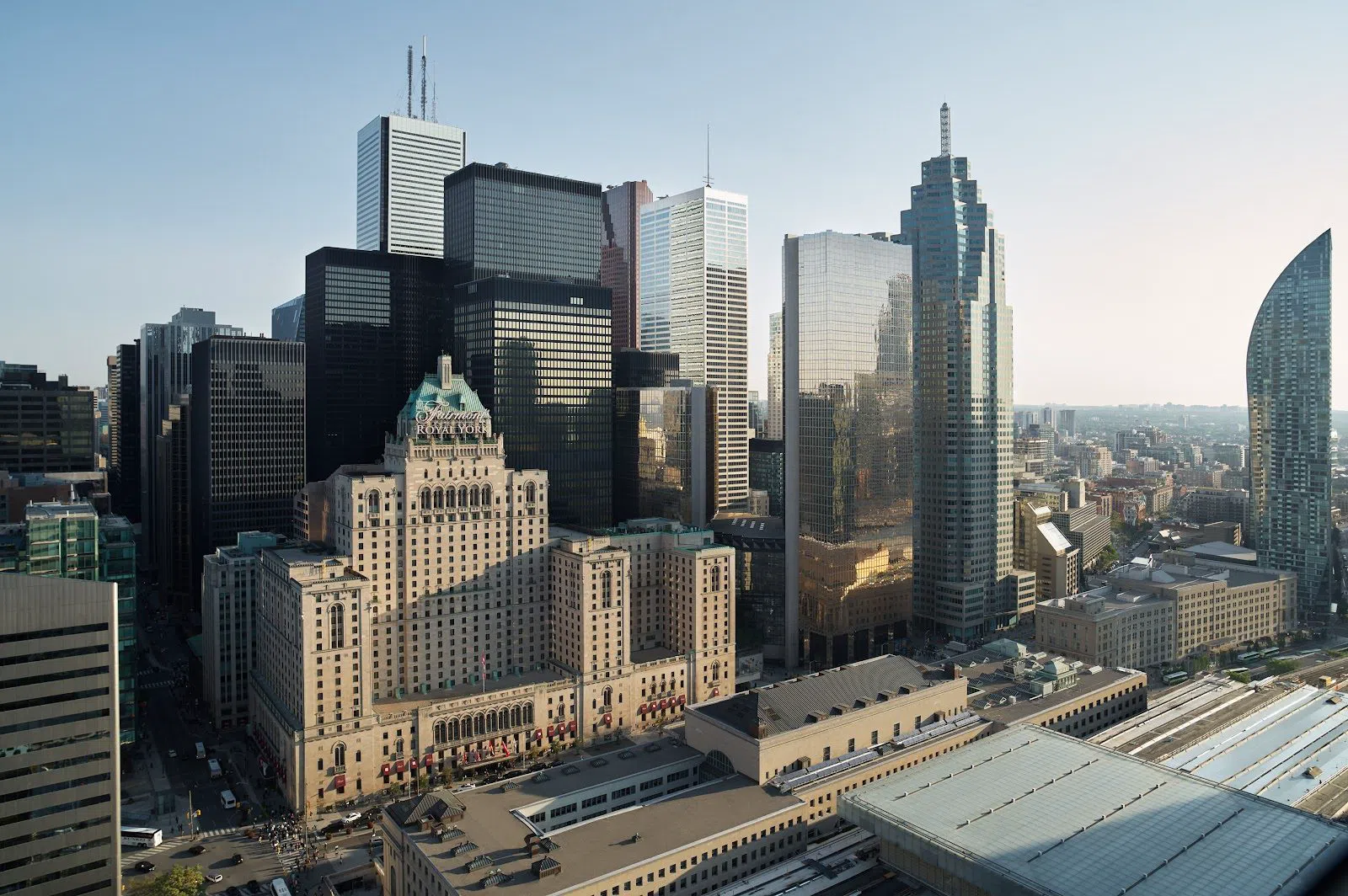
If you want to sleep inside the network, the Fairmont Royal York (Union Station) is the address. The historic hotel — recently renovated — connects to Union and the PATH by its own tunnel, and its lobby and dining rooms are open to visitors even if you are not staying. Rooms sit at $$$$. It is the grandest base on the network and, for a winter trip built around not going outdoors, a sensible one. Compare rates and dates with a Toronto hotel search before you commit, and see the wider Toronto guide for options beyond the PATH.
The western bookend
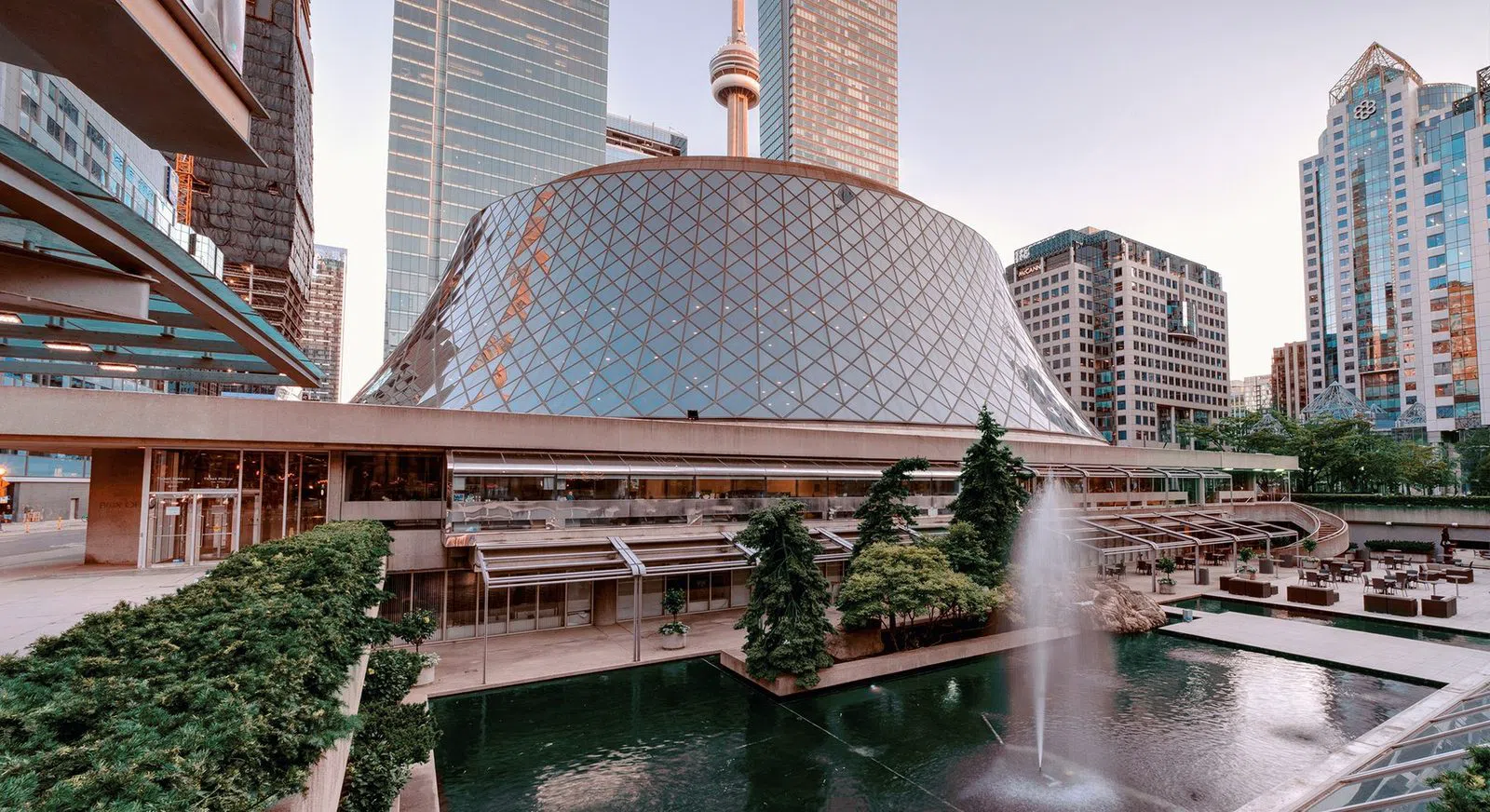
At the western edge of the network, near the Theatre District, Roy Thomson Hall (Theatre District) is the cultural counterweight to the arena — a concert hall with ticketed performances and group bookings ($$–$$$). One practical warning: PATH access here runs through adjacent towers rather than a clearly marked door, so confirm the specific entrance before you set out, especially in the evening when connecting buildings may lock up and leave you doubling back above ground.
Practical notes
Getting there and around. You need no car for any of this — that is the point. The subway's Line 1 bookends the walk: Dundas station at the north by the Eaton Centre, Union station at the south. A PRESTO card or a contactless tap covers the subway, streetcars and buses. Union also carries GO regional trains and the airport rail link, so the PATH connects a plane or a regional train to the core without a taxi.
When to go. Weekdays, and especially in winter. The network is built for office workers, so Monday to Friday is when the shops, food counters and connecting doors are all open. On weekends, lean on the places that stay open — Union's food hall, Assembly Chef's Hall, King Taps and Cactus Club — and expect long stretches of the Financial District to be quiet or shuttered. Shops in the Eaton Centre close between 7 and 9pm, and many PATH links close in the evening.
Cash and cards. Prices here are in Canadian dollars. Cards and contactless are accepted almost everywhere — food halls, counters and restaurants included — so you can do the whole walk without cash, though a little is worth carrying for the odd independent stall.
Budget. Walking the PATH costs nothing; the galleria and the malls are free. Beyond that, plan around CA$25 for the Hockey Hall of Fame, CA$12–22 for a food-hall meal, mid-range prices at King Taps or Cactus Club, and CA$50-plus at Canoe if you want the splurge. A full day underground — a couple of meals, the Hall of Fame and a drink — sits comfortably in the mid-double digits per person before any big-ticket event.
Timing the walk. End to end, north to south, the core spine is a 15-to-20-minute walk without stops; give it a half or full day to take in the galleria, eat, and detour to the arena or the concert hall. Start at the Eaton Centre while the shops are open, eat in the Financial District at lunch when it is busiest and brightest, and finish at Union with the trains at your back.
Before you go
Is the PATH free to walk?
Yes. The walkways, the malls and the Allen Lambert Galleria are all free public space with no ticket and no door policy. You only pay for what you choose to do inside it — a Hockey Hall of Fame ticket, a meal, an arena event.
Is the PATH open on weekends?
Partly. The network is built for weekday office workers, so much of the Financial District — including Canoe and McEwan Fine Foods — is closed on weekends, and many connecting links shut in the evening. On a Saturday or Sunday, lean on Union Station's food hall, Assembly Chef's Hall, King Taps and Cactus Club, which stay open.
Can I reach a Leafs or Raptors game from Union Station without going outside?
Yes. Scotiabank Arena is less than 200 metres from Union along the PATH, so in winter you can walk from the trains to a hockey game, a basketball game or a concert without stepping outdoors. Buy event tickets in advance, as popular dates sell out.
Which PATH restaurants suit a group versus a couple?
For groups: Assembly Chef's Hall, the Union Station food hall and King Taps all take walk-ins and absorb large parties easily and cheaply. Cactus Club handles groups well and opens weekends. For couples or a special occasion, Canoe is the reservations-essential fine-dining choice, and McEwan Fine Foods is best for a quiet picnic-to-go.
Do I need a car to explore downtown Toronto's underground?
No. Subway Line 1 bookends the whole walk — Dundas station at the north, Union station at the south — and a PRESTO card or contactless tap covers the subway, streetcars and buses. Union also links to regional GO trains and the airport rail line, so you can arrive and leave without a taxi.